
Reviewed · GEOTHERMAL & HOT SPRINGS
Whaka Geothermal Trails Self-Guided Tour
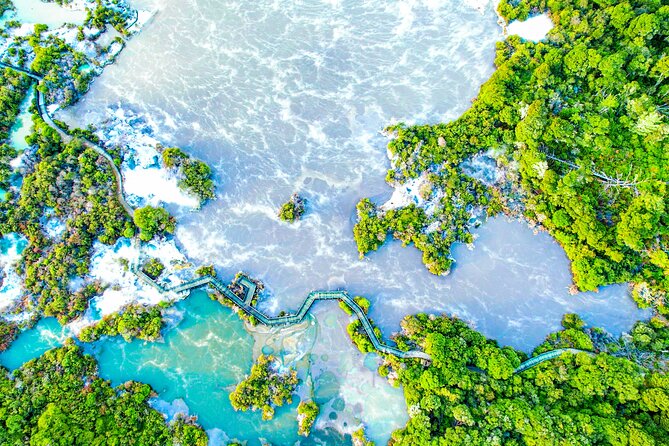
Steam rises where the forest begins. Whaka Geothermal Trails gives you an easy way to see Rotorua’s steaming lakes, thermal pools, geysers, native ferns, and edible plants without spending half a day on a guided outing. I like the short, low-effort walks and the chance to take impressive photos at your own pace. I also like that the trails leave room for other Rotorua activities. The main drawback is that the experience is brief, and self-guided visitors get less cultural context than they would on a guided Maori village tour.
You enter at Whakarewarewa, The Living Maori Village, on Tryon Street, then follow marked paths through a striking mix of forest and geothermal features. Allow 30 to 60 minutes, depending on how slowly you walk and how often you stop for pictures. Wear proper shoes, not open-toe sandals, and bring sunscreen and a hat. One practical detail matters: the time shown for this activity is a last entry time, not a fixed departure. You can enter between 9am and 4pm.
In This Review
- Key points before you go
- What the Whaka trails actually offer
- Starting at 17 Tryon Street
- A gentle walk through native forest
- Steaming lakes and thermal pools
- Finishing with a geyser view
- How the $25.97 price works for you
- Self-guided freedom versus cultural explanation
- Shoes, weather, and the best time to visit
- Who should book the Whaka Geothermal Trails
- Should you book this Rotorua walk?
- FAQ
- Where is Whaka Geothermal Trails located?
- How long does the walk take?
- Is the activity guided?
- What can you see on the trails?
- What time can I enter?
- Is admission included?
- How much does the experience cost?
- Is the walk suitable for people with low fitness?
- Is public transportation available nearby?
- What happens if the weather is poor?
Key points before you go
- Expect a 30 to 60 minute walk: The trails suit people with low levels of fitness, but you still need comfortable footwear.
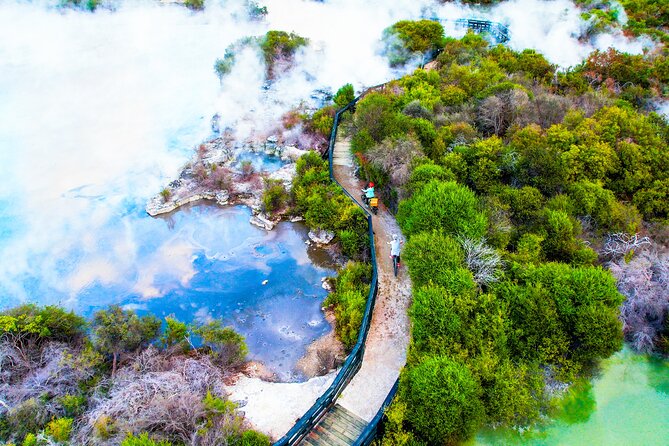
- See geothermal features up close: Steaming lakes, thermal pools, colorful water, and a geyser form the main visual appeal.
- Walk through native vegetation: Ferns and edible plants add a natural setting beyond the hot pools.
- Enter anytime from 9am to 4pm: The listed time is the final entry time, so you can fit the walk around a fuller Rotorua day.
- Admission costs $25.97 per person: The price is reasonable for a short independent visit, especially if you value flexibility.
- Add a guided experience for more context: The trails show you the setting, while a separate guided Maori experience can explain more about local culture and geothermal life.
What the Whaka trails actually offer
Rotorua is famous for its geothermal activity, but the appeal here is not just a single boiling pool or a dramatic burst of steam. The Whaka trails bring several elements together in a compact walk. You move from native forest to areas where heat, water, and mineral colors create an eerie setting.
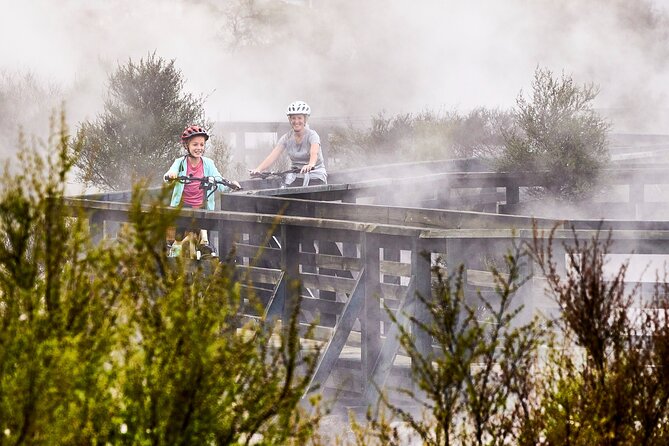
The paths are well marked, which makes this a simple outing for you to manage without a guide. You can stop when you like, take photos, and move along when the smell or heat becomes too strong. That freedom is useful if you are traveling with family members who walk at different speeds.
The description of the walk emphasizes colorful steaming lakes and thermal pools that can be viewed at Whakarewarewa. Some parts may feel more mysterious than grand. This is not presented as a long wilderness route. It is a short look at a powerful natural setting, with enough variety to keep the walk interesting.
The reserve is also continuing to develop. New areas may open over time, so the exact feel of the route can change. That is good news for future visits, but it also means you should think of this as an evolving attraction rather than a finished network of extensive trails.
More Geothermal & Hot Springs in Rotorua
- Rotorua: Wai-O-Tapu Geothermal Park Entry Ticket
★ 4.6 · 2,601 reviews - Rotorua: Hells Gate Outdoor Mud Bath & Spa Experience
★ 4.6 · 398 reviews - Wai-O-Tapu Thermal Wonderland, Rotorua, New Zealand
★ 4.5 · 379 reviews
Starting at 17 Tryon Street
Your visit begins at Whakarewarewa, The Living Maori Village, at 17 Tryon Street in Rotorua. This is both the meeting point and the ticket redemption point. The walk ends back at the same place, so you do not need to arrange a pickup or figure out a second meeting location.
The site is near public transportation, which helps if you are staying elsewhere in Rotorua and do not have a car. The group size can reach 30 people, but because the activity is self-guided, you are not locked into a single walking pace or a tight procession.
Take a moment to look around the shops before entering. This tip comes directly from the practical side of the experience: the village area offers more than the trail itself, and browsing first may be easier than trying to return later when you are watching the clock.
If you want to arrive at 3:15pm, pay close attention to the entry rule. You may enter at that time, but 3:15pm is not the only possible start. The listed times are the last times you can enter, with entry available from 9am through 4pm. Arriving earlier gives you more freedom to pause and explore.
A gentle walk through native forest
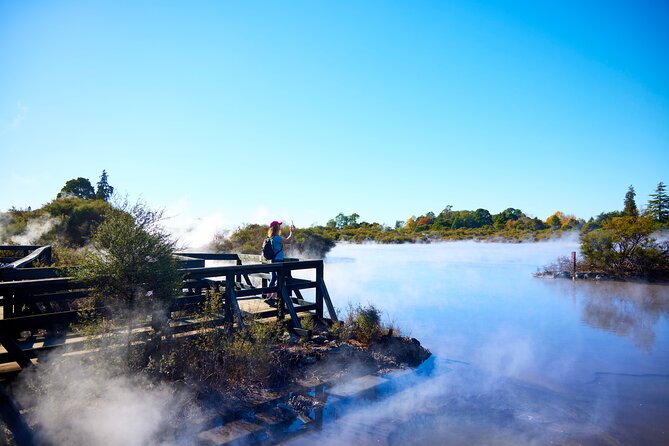
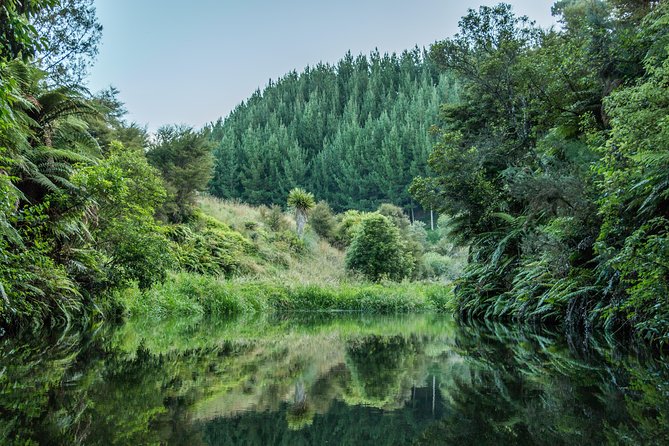
The trail’s forest sections give the experience needed contrast. Geothermal features can look stark and otherworldly, but native ferns and other plants soften the route and make the walk feel less like a collection of viewing platforms.
The paths include views of edible plants, an unusual detail that adds a small layer of local interest. You should not expect a full botany lesson, but the plant life helps show that geothermal areas are not empty wastelands. They are living places where vegetation and heat exist side by side.
This is a good choice if you have low fitness or want to conserve energy for another Rotorua activity. The walk lasts only 30 to 60 minutes, and most people can participate. Still, do not confuse easy with completely effortless. You will be walking outdoors, so shoes with a solid sole are a better choice than open toes.
I would plan this for the start or middle of a busy sightseeing day. It gives you a clear taste of Rotorua’s geothermal character without using the time and energy required by a longer excursion.
Steaming lakes and thermal pools
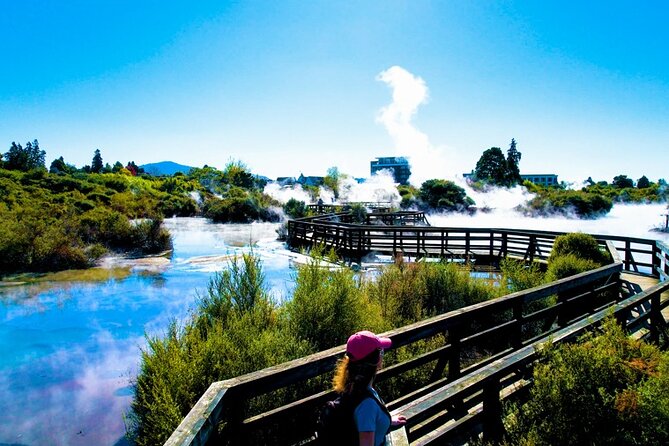
The geothermal features provide the main reason to pay for admission. Expect steaming lakes, hot pools, and colorful water that can look almost unreal against the surrounding vegetation. These are the moments to slow down and use your camera.
The heat and steam can change the mood quickly. One bend may feel quiet and green, while the next reveals a pool with an unsettling color or a curtain of vapor. The oddness is part of the charm. You are not simply looking at a pretty park. You are seeing water and earth behaving in ways that feel slightly out of place.
For photography, cloudy conditions may still work well because steam can add atmosphere. In bright sun, the colors may appear stronger. The attraction specifically suits people who want memorable photo opportunities, but your best pictures will come from taking your time rather than rushing to complete the route.
Keep your attention on the marked trail. The appeal comes from being near active geothermal features, but this is not a place for wandering off the path. The supplied information does not give detailed safety rules, so follow all signs and staff directions at the site.
A completely different kind of day out in Rotorua:
- Rotorua Canopy Tours: 2.5Hour Native Forest Zipline Adventure
★ 5.0 · 4,563 reviews - Mitai Maori Village: Cultural Experience and Dinner Buffet
★ 4.7 · 3,575 reviews - Rotorua’s Ultimate Zipline: 6 ziplines, 400 m Tandem, Cliff Walk
★ 5.0 · 2,557 reviews - Rotorua Rafting: Kaituna River White Water Rafting & Free Sauna
★ 5.0 · 1,952 reviews
Finishing with a geyser view
A geyser appears at the end of the walk, according to the experience details. That gives the route a useful sense of direction. You are not simply circling a set of pools with no clear finish. The final feature can serve as the walk’s visual payoff.
Do not book this expecting a guaranteed, scheduled geyser performance. The information confirms that you can see the geyser at the end, but it does not provide eruption times or promise a particular display. Treat it as a feature of the route, not as a timed show.
This final section may be especially welcome if the earlier pools feel subtle. Steam and mineral colors can be impressive, but a geyser gives you a more familiar geothermal image to take home. It also helps make the short walk feel complete.
Once you finish, you return to the meeting point. That makes it easy to continue with another plan in Rotorua, stop at the village shops, or head back toward your accommodation.
How the $25.97 price works for you
At $25.97 per person, the value depends on what you want from Rotorua. If you want a short, flexible look at geothermal features and do not need a guide, the price is fair. You are paying for access to a specific site with marked trails, unusual pools, native plants, and a geyser, rather than for transportation or a full-day program.
The price is less attractive if you expect a large attraction with hours of activities. You may finish in 30 minutes, especially if you walk quickly and take few photos. In that case, the cost can feel high compared with a free public walk.
The better comparison is with your schedule. If you have a full day planned and want one compact geothermal stop, this activity fits neatly into the gaps. It leaves time for other Rotorua sights, food, or a separate cultural experience. A longer guided visit may offer more explanation, but it will usually demand more time and a higher level of commitment.
A group of up to 30 people can be admitted, yet the independent format keeps the visit from feeling like a fully scripted group tour. You choose your pace and your stopping points. That flexibility is the strongest part of the price.
Self-guided freedom versus cultural explanation
A self-guided route works well for people who prefer quiet observation. You can read the information along the way, take photos without holding up a group, and decide how much time to spend at each pool.
The tradeoff is context. The trail includes native plants and geothermal features, but the supplied details do not promise a guide or a cultural presentation during the walk. If you want a fuller understanding of Maori traditions and the living village, add a guided Maori experience separately.
One useful clue comes from the feedback connected with the site: one outing with a guide named Rah was praised for information, entertainment, food, and a strong Maori village experience. That appears to describe a broader guided visit rather than this short self-guided trail, but it points you toward the right choice. Pick the trails for independent geothermal viewing. Pick a guided village visit when stories, food, performance, and cultural explanation matter most.
You can also combine both if your schedule allows. Start with the self-guided paths, then use a separate guided option to add meaning to what you have seen. The two formats serve different purposes.
Shoes, weather, and the best time to visit
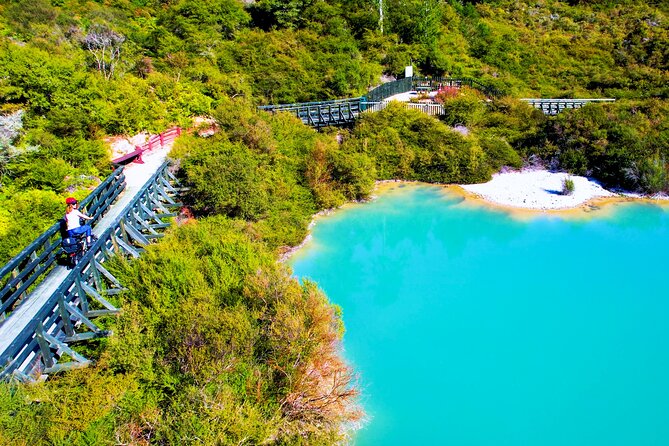
Good shoes matter more than stylish shoes. A direct tip from the experience is to avoid open-toe footwear. Even a short outdoor trail is more comfortable when your feet have support and protection.
Bring sunscreen and a hat. Those items are useful even on a cool day, especially if parts of the route leave you exposed. The activity requires good weather, and poor conditions can lead to a change of date or a full refund.
Because the walk is short, you have plenty of control over timing. Morning entry gives you the rest of the day for other activities. A later entry can work if you are already visiting Rotorua, but do not arrive after 4pm because that is the final entry time.
The experience is suitable for most people, and no special fitness level is required. Still, if you have difficulty walking outdoors, check your own needs before booking. The supplied information says most people can participate, but it does not provide detailed information about surfaces, stairs, or wheelchair access.
Who should book the Whaka Geothermal Trails
I would recommend this experience to you if you want:
- A short introduction to Rotorua’s geothermal activity
- An easy walk with time for photos
- Flexibility instead of a fixed guided schedule
- A visit that fits around other plans
- A chance to see native ferns and edible plants alongside hot pools
- A compact outing for a mixed-fitness group
It is also useful for families or groups who do not all want the same pace. You can walk independently rather than staying beside a guide from start to finish.
I would think twice if you want a long hike, detailed cultural interpretation, or a full day of entertainment in one ticket. The route is brief, and the self-guided format places more responsibility on you to notice details and make sense of the setting.
The 3.7 rating from 44 ratings suggests a mixed but generally workable experience. The most praised features are the bush walk, hot spring views, clear information along the route, and the geyser near the end. Those strengths match the best use of the ticket: a pleasant, photo-friendly geothermal stop, not an all-inclusive Rotorua program.
Should you book this Rotorua walk?
Book the Whaka Geothermal Trails if you value short walks, strong photo opportunities, and schedule freedom. At $25.97, it offers reasonable value when you use it as one part of a wider Rotorua day.
Skip it if you want a guide to explain Maori culture or a large number of activities under one admission. In that case, choose a guided village experience instead, or pair one with these trails if your budget and schedule allow.
For the best visit, enter before the 4pm cutoff, wear closed shoes, bring sun protection, and leave enough time to enjoy the forest, pools, and final geyser without rushing. Free cancellation is available up to 24 hours before the start time, while poor weather may lead to a new date or a full refund.
FAQ
Where is Whaka Geothermal Trails located?
The experience begins at Whakarewarewa, The Living Maori Village, at 17 Tryon Street, Whakarewarewa, Rotorua 3010, New Zealand.
How long does the walk take?
The self-guided walks take approximately 30 to 60 minutes. The itinerary lists one hour for the activity.
Is the activity guided?
No. The Whaka Geothermal Trails are self-guided walks along marked paths.
What can you see on the trails?
You can see native ferns, edible plants, colorful steaming lakes, thermal pools, and a geyser near the end of the walk.
What time can I enter?
You may enter anytime from 9am through 4pm. The time shown for the activity is the last entry time, not a required fixed departure.
Is admission included?
Yes. An admission ticket is included.
How much does the experience cost?
The stated price is $25.97 per person.
Is the walk suitable for people with low fitness?
Yes. The trails are described as suitable for people with low levels of fitness, and most people can participate.
Is public transportation available nearby?
Yes. The meeting point is near public transportation.
What happens if the weather is poor?
The experience requires good weather. If it is canceled because of poor weather, you can receive a different date or a full refund. You can also cancel up to 24 hours before the start time for a full refund.
More Self-Guided Tours in Rotorua
- Volcanic Valley Self Guided Walking and Hiking at Waimangu
★ 4.5 · 248 reviews - Half-Day Self-Guided Mountain Bike Journey through Whakarewarewa Redwood Forest
★ 5.0 · 124 reviews - Whakarewarewa: Self-Guided Geothermal Trails
★ 4.5 · 41 reviews - Rotorua Railcruising: Self-Drive Rail Car with Audio Guide
★ 4.6 · 19 reviews
Just added around Rotorua
- Te Puia: Tuku Iho Trail with Cultural Show★ 5.0 · 5 reviews
- Ultimate self-drive rail car journey★ 5.0 · 5 reviews
- Private Tour Waiotapu Geothermal Shore Excursion up to 8 passengers★ 5.0 · 6 reviews
- Rotorua: Floatplane Flight with Orakei Korako Landing★ 5.0 · 6 reviews
- Rotorua: Evening Starlight Gourmet Kayak Tour with dinner★ 5.0 · 6 reviews
- Rotorua: Glow Worm Adventure Kayak★ 5.0 · 6 reviews
- Epic Tandem Kayak Tour down the Kaituna River Waterfalls★ 5.0 · 6 reviews
- From Rotorua: Whirinaki Rainforest Guided Cultural Tour★ 5.0 · 6 reviews
Geothermal & Hot Springs, compared.
Hobbiton & Rotorua including Wai-O-Tapu – Small Group Tour from Auckland
Read our review →
Wai-O-Tapu Thermal Wonderland, Rotorua, New Zealand
Read our review →
Polynesian Spa Pavilion Hot Pool Bathing (12+ yrs)
Read our review →
Polynesian Spa Rotorua: Deluxe Lake Spa Hot Spring Bathing
Read our review →
Wai O Tapu & Waimangu Eco Thermal Morning Tour
Read our review →Browse the lists this tour appears in