
Reviewed · WILDLIFE & NATURE TOURS
Willowbank Wildlife Reserve Day Entry Ticket
See New Zealand’s rarest wildlife up close. Willowbank Wildlife Reserve gives you a good chance to see kiwi in a nocturnal house without glass between you and the bird, along with kea, kaka, takahe and tuatara. I like the close kiwi viewing and the easy mix of native species with a walk-through farm. I also like that the reserve explains its role in protecting endangered wildlife rather than simply displaying animals.
The main consideration is timing. You can spend four hours here, but the kiwi house opens at 10:30 AM, while the reserve opens at 9:30 AM. On a rainy day, some of the outdoor areas may be less pleasant, so bring sensible shoes and weather-ready clothing.
In This Review
- Key Points
- Why Willowbank Works So Well Near Christchurch
- Start With the Kiwi Nocturnal House
- Meet the Big 5 of New Zealand Wildlife
- A Walk That Mixes Wildlife and Farm Life
- Conservation Is Part of the Visit
- Allow Four Hours, But Plan Around Your Priorities
- Take a Break at the Cafe and Bar
- Is $21 a Good Price?
- Who Will Enjoy Willowbank Most?
- Practical Details Before You Go
- Should You Book Willowbank Wildlife Reserve?
- FAQ
- Where is Willowbank Wildlife Reserve?
- How long should I allow for a visit?
- Can I see kiwi at Willowbank?
- What animals are included in the New Zealand Big 5?
- Can I feed the animals?
- Is Willowbank suitable for children and wheelchair users?
Key Points
- Kiwi without glass: The specially built nocturnal house gives you a direct view of New Zealand’s famous flightless bird.
- New Zealand’s Big 5: Look for kea, kaka, takahe, tuatara and kiwi in one reserve.
- Close farm encounters: Buy food on site to hand-feed deer, farm animals, wild eels and birds.
- Easy Christchurch access: Willowbank is about five minutes from Christchurch Airport and 20 minutes from the city centre.
- A strong family outing: The paths, animals and feeding opportunities work well for children, with adults required to accompany anyone aged 15 or younger.
- Good value: At $21 per person, the reserve offers several hours of wildlife viewing at a modest price.
Why Willowbank Works So Well Near Christchurch
Willowbank is a practical stop for your Christchurch itinerary. It sits at 60 Hussey Road in Northwood, about five minutes by car from Christchurch Airport and roughly 20 minutes from Christchurch CBD. That makes it easy to visit on a free morning, after arriving in the city, or before heading onward.
The reserve is designed for a relaxed walk rather than a tightly timed tour. You can move between native birds, reptiles, farm animals and feeding areas at your own pace. The advertised visit length is four hours, though you can spend less time if your schedule is tight. Some people enjoy the reserve for around two or three hours, while families may want the full half-day.
I like this flexible format because it gives you time to stop and look. A kiwi may require patience, and a curious deer may keep children occupied longer than expected. You are not rushing from one scheduled presentation to the next.
Willowbank is open daily from 9:30 AM to 5:00 PM, except Christmas Day. Plan around the kiwi house opening at 10:30 AM. If the kiwi is the main reason you are coming, arriving before opening gives you time to enter, get oriented and reach the nocturnal house when it is available.
More Wildlife Tours in Christchurch
- Christchurch: Orana Wildlife Park Admission
★ 4.5 · 119 reviews - Willowbank Wildlife Reserve Day Entry
★ 4.5 · 94 reviews - Uniquely Kiwi Landsailing Adventure
★ 5.0 · 66 reviews
Start With the Kiwi Nocturnal House
The kiwi is the star attraction, and Willowbank gives you a particularly useful way to see it. The nocturnal house is specially constructed for kiwi viewing, and there is no glass panel blocking your sightline.
That detail matters. Kiwi are nocturnal, shy and difficult to spot in the wild, so even a well-planned night walk does not guarantee a sighting. At Willowbank, your viewing is guaranteed, making this one of the more reliable places to see the bird during a South Island trip.
The indoor setting is dark to suit the kiwi’s natural habits. You will need to watch carefully and allow your eyes time to adjust. Do not expect a bird that poses neatly in the open. The fun is in finding it as it moves around its habitat.
The direct viewing also makes this more memorable than seeing a kiwi only in a photograph or behind a thick pane. You can focus on the bird’s shape and movement without a distracting reflection. Keep your voice low and give other people room to look.
For many visitors, this is the emotional centre of the visit. One family described finding the kiwi as a highlight of the trip, and that reaction makes sense. New Zealand’s national bird is not easy to see elsewhere, especially for someone travelling on a short holiday.
Meet the Big 5 of New Zealand Wildlife
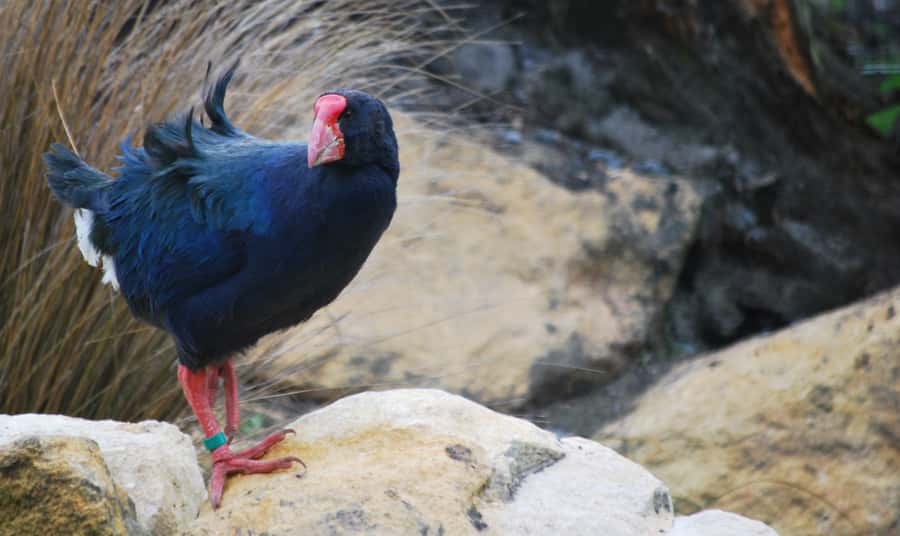
Willowbank groups five important native species as New Zealand’s Big 5: kea, kaka, takahe, tuatara and kiwi. This gives your visit a useful theme and helps you understand how different the country’s native wildlife can be.
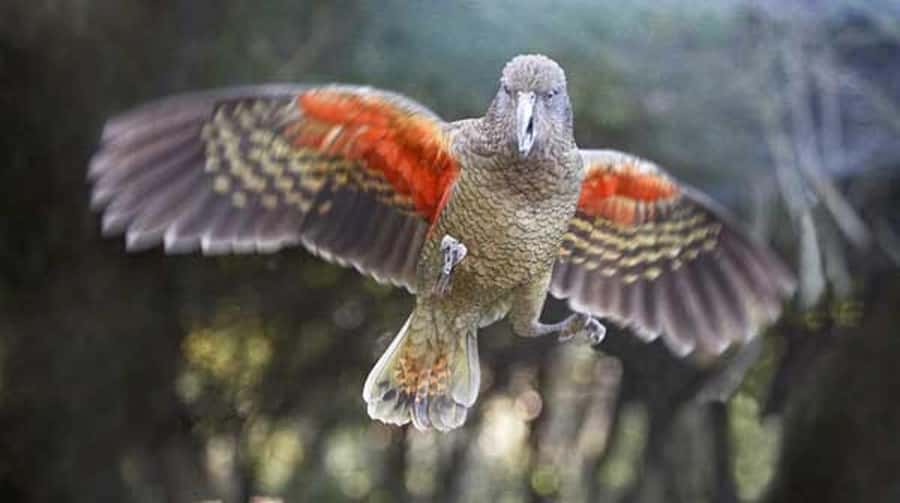
The kea is the world’s only alpine parrot. You can walk through the large kea enclosure and see this famously bold mountain bird at close range. Kea are among New Zealand’s most entertaining birds to watch, with their strong bills, curious habits and lively presence.
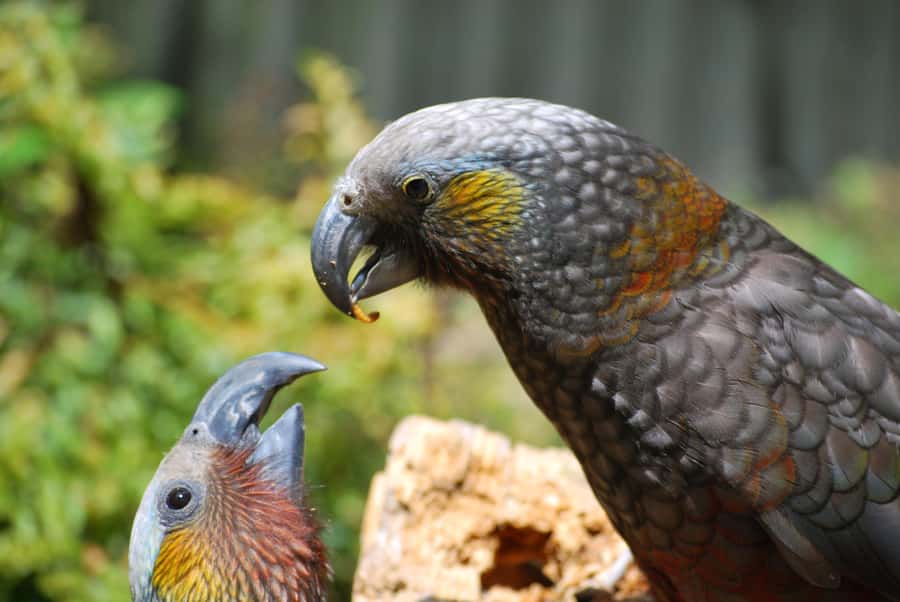
The kaka is another parrot, but it is a forest bird rather than an alpine specialist. It is a rare bush parrot, and seeing both kaka and kea helps you compare two native species with very different habitats.
The takahe is one of the rarest birds in the world. Its survival story gives the reserve’s conservation message real weight. This is not just a colourful bird for a checklist. It represents the work required to protect species that once came close to disappearing.
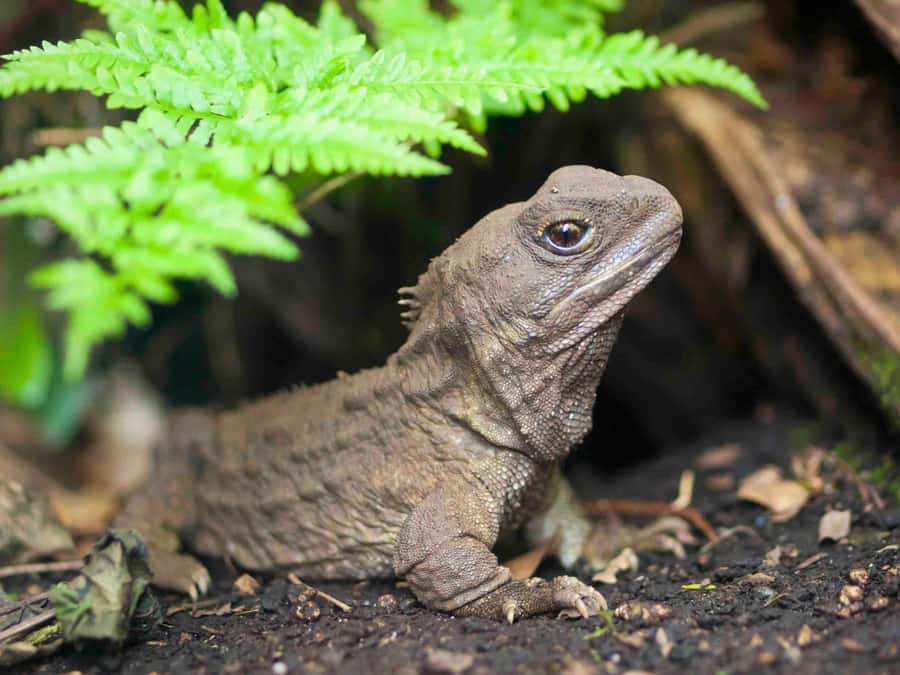
Then there is the tuatara, often described as the world’s only living dinosaur. That phrase is a little dramatic, but it captures why this reptile is so unusual. The tuatara belongs to an ancient line with no other living members, making it one of the most distinctive animals you will see in New Zealand.
You can also expect many other birds and animals across the reserve. Willowbank has more than 50 species, so the Big 5 provide a focus without limiting the visit. Keep your eyes open as you walk, since some of the enjoyment comes from finding animals beyond the headline species.
A Walk That Mixes Wildlife and Farm Life
The farm section changes the mood. After looking for rare birds and an ancient reptile, you can wander among more familiar animals and take part in hand-feeding.
Food for the farm animals, wild eels and birds can be purchased for a small extra cost on the day. That means the advertised entry price does not cover every optional activity, but the added cost gives you a more active way to explore the grounds.
Deer are a particular draw. They are described as gentle and friendly, and feeding them can be a hit with both children and adults. You may also find ducks and other animals along the paths, which gives younger children something to look for between the specialist exhibits.
Feeding eels is another unusual part of the visit. It is not the sort of activity most people expect at a wildlife reserve, and it gives you a closer look at an animal that is often overlooked. If you are travelling with children, this kind of hands-on stop can keep the walk engaging.
I would treat feeding as an optional extra rather than a reason to judge the ticket price. The reserve offers plenty to see without buying food, but a small purchase can make the visit feel more interactive. Wash or clean your hands as appropriate after handling feed, and follow any instructions given on site.
The farm areas also make Willowbank feel less formal than a conventional zoo. You are moving through a natural setting with different types of animals rather than passing a long row of enclosures. That gives the visit a more easygoing, local feel.
A completely different kind of day out in Christchurch:
- Christchurch Hop-On Hop-Off Tram
★ 4.5 · 841 reviews - Christchurch Gondola and Tram City Tour Combo
★ 4.5 · 725 reviews - Christchurch: Hop-On Hop-Off Tour by Vintage Tram
★ 4.6 · 717 reviews - Christchurch: Tram, Punt and Gondola Ride Combo Ticket
★ 4.7 · 608 reviews
Conservation Is Part of the Visit
Willowbank uses its wildlife displays to explain New Zealand’s endangered species and its continuing conservation work. This adds meaning to the kiwi, takahe, kaka and tuatara encounters.
New Zealand’s native birds evolved with few mammalian predators, which left many of them vulnerable after new predators arrived. You do not need a long lecture to understand the basic problem. Seeing rare birds in a protected setting makes the conservation issue more immediate.
The reserve also helps you notice how unusual New Zealand wildlife is. The kea is not simply another parrot, and the tuatara is not just another reptile. These animals represent branches of evolution found nowhere else.
I appreciate this context because it keeps the visit from becoming a simple photo stop. You can enjoy the animals while also learning why protected habitats and breeding programmes matter. The information displays are useful for making sense of what you are seeing, especially if you do not know much about native New Zealand species before arriving.
Allow Four Hours, But Plan Around Your Priorities
The suggested duration is four hours, which is a comfortable amount of time for the reserve. It allows you to visit the kiwi house, see the Big 5, wander through the farm areas and pause for food or a drink.
If your schedule is limited, make the kiwi house your first priority after it opens. Then visit the kea enclosure and the other native species before spending time with the farm animals. Feeding can easily extend your stay, particularly if you are with children.
A shorter visit is still possible. If you mainly want the kiwi and key native birds, you may finish in a couple of hours. If you like moving slowly, reading information and stopping at each animal area, plan on three to four hours.
The reserve opens at 9:30 AM, but the kiwi house does not open until 10:30 AM. That creates a useful first-hour option: you can begin with the outdoor grounds, get your bearings and see some farm animals before visiting the kiwi.
The park is open until 5:00 PM, so an afternoon visit can work too. Just remember that a late arrival leaves less time for the full walk. The four-hour figure is best treated as a guide, not a fixed tour schedule.
Take a Break at the Cafe and Bar
The on-site cafe and bar gives you a place to pause during the visit. It overlooks the deer paddock, so you can continue watching animals while you rest.
This is useful because four hours on foot can feel long, especially for families. You do not have to leave the reserve to find a break, and you can choose to stop before the wildlife walk, in the middle, or at the end.
In winter, an open fire adds a cosy touch. On wet or cold days, that matters. One drawback is that outdoor areas may be less comfortable in poor weather, as one visitor found on a rainy day. The cafe and fire help, but they do not change the conditions along the paths.
Wear sensible footwear and clothing suited to the forecast. You will be walking through a reserve rather than spending the whole visit inside. Good shoes will make the farm areas and outdoor enclosures more enjoyable.
Is $21 a Good Price?
At $21 per person, Willowbank offers strong value if you want several hours of wildlife viewing near Christchurch. The ticket includes entry and guaranteed kiwi viewing, which is the key point.
The price is especially fair when you consider the range of animals. You are not paying only to see one bird. The visit includes the Big 5, more than 50 species overall, farm areas and conservation information.
You may spend a little more if you buy food for hand-feeding. That extra cost is optional, and you can decide on the day. For families, the feeding experience may be worth adding. For adults focused on native wildlife, the included reserve may be enough.
The value also comes from convenience. A short drive from the airport and city means you do not need a full-day excursion or long transfer to see a kiwi. If you are already staying in Christchurch, this is a straightforward way to add native wildlife to your plans.
Several people have rated it as one of the better-value activities on a longer New Zealand trip. I can see why. It combines a guaranteed kiwi sighting with enough variety to fill a relaxed half-day, without requiring a major journey.
Who Will Enjoy Willowbank Most?
Families are a natural fit. Children can watch rare birds, look for kiwi, feed deer and walk alongside ducks. Anyone aged 15 or younger must be accompanied by a paying adult, so plan your group accordingly.
The reserve also suits first-time visitors to New Zealand who want an introduction to native wildlife. You can see the country’s best-known species in one place and gain basic conservation context without committing to a remote wildlife tour.
Bird lovers will have plenty to enjoy, especially around the kea, kaka, takahe and kiwi. The tuatara adds something different for anyone interested in reptiles or unusual animals.
Willowbank is less ideal if you want a completely wild encounter. This is a wildlife reserve with managed viewing areas, not a chance to search for kiwi in the forest at night. The trade-off is reliability, access and a much better chance of actually seeing the animals.
It is also worth considering the weather. The reserve remains open daily apart from Christmas Day, but rain can make the outdoor walk less pleasant. Bring a waterproof layer and shoes with good grip if the forecast looks uncertain.
Practical Details Before You Go
You can visit Willowbank at 60 Hussey Road, Northwood, Christchurch. It is wheelchair accessible, which makes it a practical choice for a wide range of visitors.
The reserve is open daily from 9:30 AM to 5:00 PM, except Christmas Day. The kiwi nocturnal house opens at 10:30 AM, so do not arrive expecting immediate access to that section.
You can cancel up to 24 hours in advance for a full refund, and the reserve allows you to reserve now and pay later. Those options are useful if your South Island schedule is still changing.
I would set aside four hours if you want the full experience, especially if you plan to use the cafe or buy animal food. If you have only a short window near Christchurch Airport, focus on the kiwi house and Big 5 first.
Should You Book Willowbank Wildlife Reserve?
I would book Willowbank if you want a reliable kiwi sighting, easy access from Christchurch and a reasonably priced half-day activity. The combination of direct kiwi viewing, rare native birds and farm feeding gives you more variety than the modest entry price suggests.
You may want to skip it if you only have a few hours and cannot visit after the kiwi house opens, or if persistent rain would make an outdoor reserve unappealing. For most families, first-time visitors and wildlife fans, though, Willowbank is a sensible and rewarding addition to a Christchurch itinerary.
FAQ
Where is Willowbank Wildlife Reserve?
Willowbank Wildlife Reserve is at 60 Hussey Road, Northwood, Christchurch, New Zealand. It is about five minutes by car from Christchurch Airport and 20 minutes by car from Christchurch CBD.
How long should I allow for a visit?
The suggested duration is four hours. You can spend less time if you focus on the kiwi house and key native species, or use the full half-day for feeding animals, exploring the grounds and taking a cafe break.
Can I see kiwi at Willowbank?
Yes. Entry includes guaranteed kiwi viewing in the specially constructed nocturnal house. The house opens from 10:30 AM daily.
What animals are included in the New Zealand Big 5?
Willowbank’s Big 5 are the kea, kaka, takahe, tuatara and kiwi. The reserve also has more than 50 different wildlife species.
Can I feed the animals?
Food for hand-feeding farm animals, wild eels and birds can be purchased for a small extra cost on the day. Feeding is not included in the entry ticket.
Is Willowbank suitable for children and wheelchair users?
The reserve is suitable for all ages and is wheelchair accessible. Children aged 15 and under must be accompanied by a paying adult.
Just added around Christchurch
- Waipara Valley Winery Tour Wine Tastings and Scenic Views★ 5.0 · 5 reviews
- Private Mt Cook Day Tour From Christchurch via Lake Tekapo★ 4.5 · 5 reviews
- (MT) Mount Cook Day Tour From Christchurch★ 4.5 · 5 reviews
- Private Akaroa Day Tour From Christchurch★ 5.0 · 5 reviews
- Private Christchurch & Lyttelton Scenic Day Tour★ 5.0 · 5 reviews
- Mount Cook Day Tour from Christchurch★ 3.7 · 5 reviews
- Christchurch International Airport :Airport to City Centre★ 5.0 · 5 reviews
- Mount Cook, Lake Pukaki: Billion Star Dining★ 4.8 · 6 reviews
Wildlife & Nature Tours, compared.

Auckland Dolphin and Whale Watching Eco-Safari Cruise
Read our review →
Whale and Dolphin Watching Half-Day Eco Cruise
Read our review →
Gannet Safaris Overland tour to Cape Kidnappers Gannet Colony
Read our review →

Clearwater Wildlife Tours (small group 10max) Otago Peninsula
Read our review →

Guided Evening Penguin Viewing Otago Peninsula, Dunedin, New Zealand
Read our review →
Browse the lists this tour appears in