
Reviewed · WILDLIFE & NATURE TOURS
Willowbank Wildlife Reserve Day Entry
Kiwi watching gets easier here. Willowbank Wildlife Reserve puts New Zealand’s famous native birds, hands-on farm animals, and introduced species along one self-guided route near Christchurch Airport. I like the guaranteed kiwi viewing and the freedom to arrive at any time during the day. I also like the mix of quiet native wildlife and friendly animals you can feed or pat. The main drawback is the kiwi house: it is dark, and spotting a small, mostly nocturnal bird takes patience.
This is a relaxed outing rather than a guided tour. You set your own pace, follow the paths, stop for food, and spend about one to three hours inside. The reserve works especially well for families, cruise passengers with limited time, or anyone who wants to see several New Zealand species without arranging a long trip outside Christchurch.
At $22.65 per person, the admission offers good value if you use the full visit. You get more than a quick kiwi enclosure: there are lush paths, boardwalks, farm animals, monkeys, lemurs, capybaras, wallabies, otters, and native birds. Food, drinks, and transport cost extra, so remember to budget for those separately.
In This Review
- Key points to know before you go
- Why Willowbank works so well in a Christchurch schedule
- Following the leafy paths through Willowbank
- Feeding sheep, alpacas, deer, and other friendly animals
- Meeting monkeys, lemurs, capybaras, wallabies, and otters
- The kiwi house: guaranteed viewing, dark conditions
- Native birds and reptiles that explain New Zealand
- How long to stay, and when to visit
- Price, food, transport, and practical value
- Who will enjoy Willowbank most
- Should you book Willowbank Wildlife Reserve?
- FAQ
- How much does Willowbank Wildlife Reserve admission cost?
- How long does a visit to Willowbank usually take?
- Is kiwi viewing guaranteed?
- Can I feed or pat the animals?
- Are food, drinks, and transport included?
- Can I cancel my booking for a refund?
Key points to know before you go
- Kiwi viewing is guaranteed: You are promised a kiwi sighting inside the dedicated kiwi house, though you may need to wait quietly and adjust to the darkness.
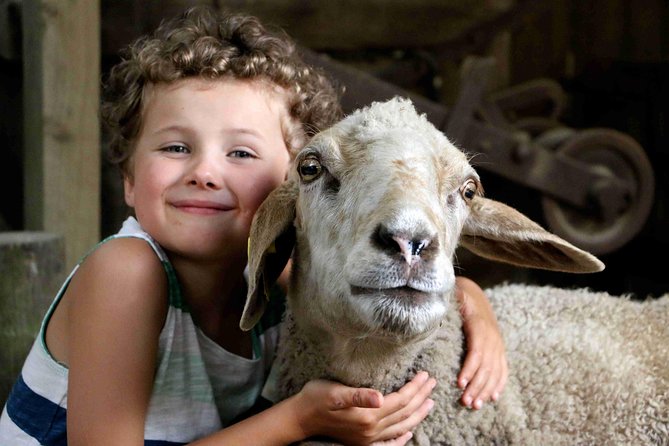
- The route mixes wildlife and farmyard fun: Feed and pat animals such as sheep, rabbits, alpacas, and deer, then look for native species and introduced animals.
- You control the schedule: Most people need around two hours, but you can make the visit shorter or stretch it toward three.
- It is close to Christchurch Airport: That makes it useful before a flight, after landing, or as a stop during a short Christchurch stay.
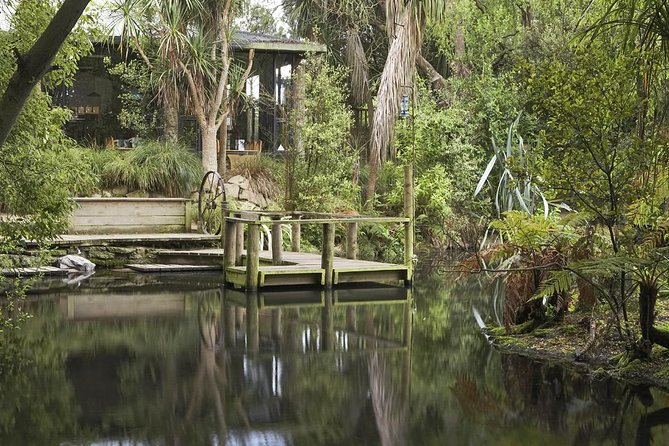
- The setting feels leafy and natural: Wooden walkways, water, and planted paths make this more than a row of standard cages.
- There is a cafe and shop on site: You can make the outing self-contained, though meals and drinks are not included in admission.
Why Willowbank works so well in a Christchurch schedule
Christchurch has plenty of city sights, but New Zealand wildlife can take more planning than you might expect. Wild kiwi are difficult to see, and some native birds live in remote areas or conservation sites far from the city. Willowbank gives you a practical introduction in one place.
The location near the airport is a real advantage. If you have a spare morning before a flight, a few hours after arriving, or a cruise day with transport arranged, the reserve can fit neatly into your plans. It also gives children something active to do after a museum or city walk.
You do not need to follow a guide or keep up with a group. That matters because animal viewing is rarely predictable. You might move quickly through one section and linger beside another enclosure when an animal is active. The self-guided format also lets families stop for snacks, deal with tired children, or return to a favorite animal.
The reserve is large enough to feel like a proper outing, but not so large that you need a full day. Two hours is a useful target. Allow closer to three hours if you want to read the signs, feed animals, pause for lunch, and give the kiwi house enough time.
More Wildlife Tours in Christchurch
- Christchurch: Orana Wildlife Park Admission
★ 4.5 · 119 reviews - Willowbank Wildlife Reserve Day Entry Ticket
★ 4.5 · 85 reviews - Uniquely Kiwi Landsailing Adventure
★ 5.0 · 66 reviews
Following the leafy paths through Willowbank
The visit starts with a walk through a mix of habitats and animal areas. Some paths are gravel, and some sections use wooden walkways over water. The setting is green and pleasant, with enough shade and planting to make the route feel more like a reserve than a simple urban animal park.
The path is generally easy to follow, though signage can be less clear on some gravel sections. I would keep your admission details handy and pay attention at junctions instead of assuming every turn is obvious. The route is walkable, but comfortable shoes still make sense.
Willowbank’s strength is variety. You can see animals associated with New Zealand farms, species introduced from other parts of the world, and birds and reptiles that belong to the country’s own natural story. That broad mix makes the experience accessible to people with different interests.
If you are mainly interested in native wildlife, do not rush through the early sections. The farm animals and exotic species help explain the range of life now found in New Zealand, while the native areas show why the country’s own birds and reptiles are so special.
Feeding sheep, alpacas, deer, and other friendly animals
This is a hands-on reserve. You can feed and pat several animals, which gives the visit a more active feel than simply looking through a barrier. Sheep, rabbits, and alpacas are especially approachable for children, and the chance to interact helps younger visitors stay interested.
Deer can be enthusiastic around food. Keep your feed pouch under control, and expect them to come looking when they see it. They are friendly, but their eagerness can surprise a small child.
Ducks and other birds may also follow people carrying food. That is part of the fun for many families, although the reserve can become noisy in areas with free-moving birds. If you prefer a quieter visit, move on when a section feels crowded or loud.
The hands-on setup is one of the strongest reasons to choose Willowbank over a more formal zoo. You are not just checking animals off a list. You are watching how they behave around food, noticing which animals approach first, and giving children a simple way to connect with the visit.
Still, you should keep expectations sensible. Feeding animals does not mean every creature will come close, and some enclosures offer observation rather than contact. The experience works best when you allow the animals to set the pace.
Meeting monkeys, lemurs, capybaras, wallabies, and otters
The introduced-animal sections add plenty of variety. Monkeys, lemurs, capybaras, and wallabies give the reserve broad appeal, especially for children who may not yet know the difference between New Zealand’s native birds and animals found elsewhere.
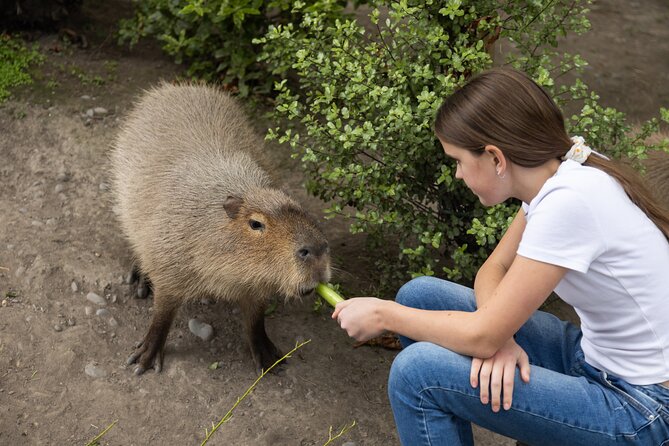
Capybaras are a particular favorite for many people because of their calm, unusual appearance. Otters also attract attention, especially when they are active. Wallabies are interesting to see in a New Zealand setting, though some people may feel that their enclosure could offer more room to roam.
These animals make the visit feel generous for the price. You are getting several kinds of animal encounters, not just a short presentation built around kiwi. If your family wants constant variety, Willowbank is likely to hold attention better than a smaller specialist exhibit.
The trade-off is that the reserve has a mixed focus. This is not a pure native-bird sanctuary. If you want only endemic New Zealand species, you may find the farm and introduced animals less important. If you enjoy a broad animal park with a strong New Zealand section, the mixture works well.
A completely different kind of day out in Christchurch:
- Christchurch Hop-On Hop-Off Tram
★ 4.5 · 841 reviews - Christchurch Gondola and Tram City Tour Combo
★ 4.5 · 725 reviews - Christchurch: Hop-On Hop-Off Tour by Vintage Tram
★ 4.6 · 717 reviews - Christchurch: Tram, Punt and Gondola Ride Combo Ticket
★ 4.7 · 608 reviews
The kiwi house: guaranteed viewing, dark conditions

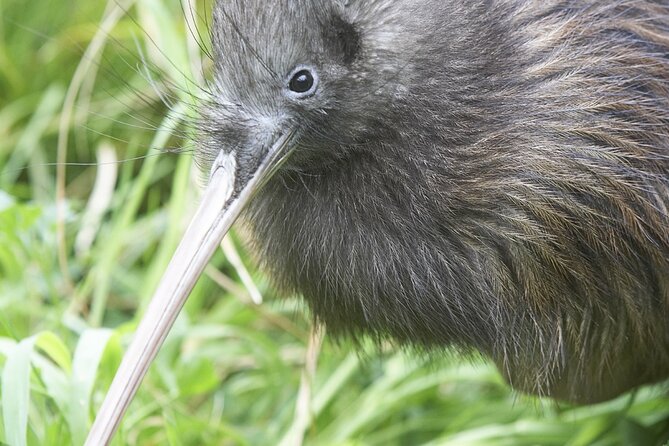
The kiwi house is the main reason many people book ahead. Willowbank promises that you will see a kiwi, which is valuable because these birds are nocturnal and notoriously hard to find in the wild. For many people, this becomes the emotional high point of the visit.
The enclosure is kept dark to match the kiwi’s natural active period. That makes sense for the bird, but it changes how you should approach the viewing. Enter quietly, give your eyes time to adjust, and avoid rushing through because you do not see anything in the first few seconds.
You may need to wait near the fence and watch carefully. The kiwi can be asleep or partly hidden, and its brown body can blend into the dim surroundings. A quiet, patient approach gives you the best chance of seeing it clearly.
The guarantee means you should expect a sighting, not a bright, close-up portrait. That distinction matters. You might spot a kiwi moving through the enclosure, or you might see one resting in the shadows. Either way, the experience is valuable because it shows the bird in conditions designed around its natural behavior.
People with difficulty adjusting to darkness may find this section frustrating. If you are visiting with children, explain beforehand that the kiwi house requires silence and patience. The reward is much better when everyone slows down.
Native birds and reptiles that explain New Zealand
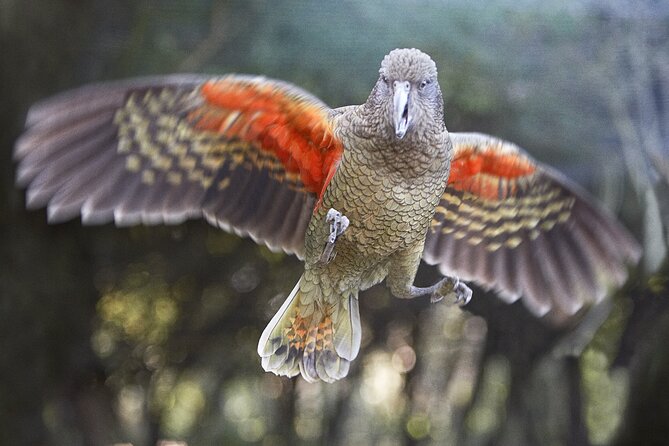
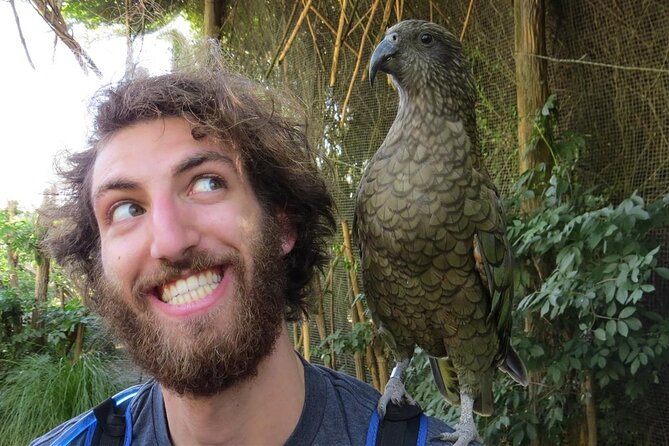
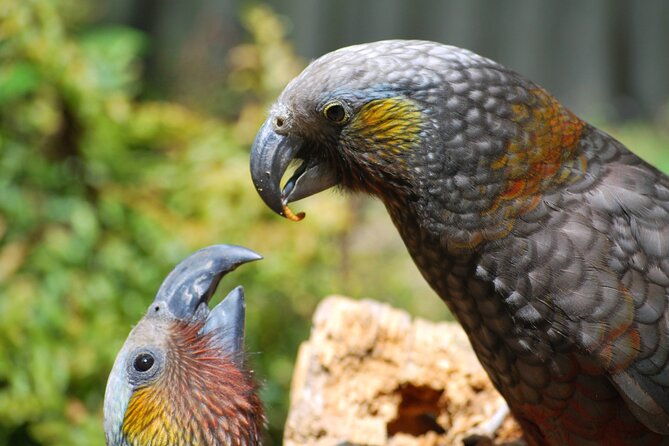
Willowbank brings several important native species together. Look for kea, kaka, takahē, tuatara, and kiwi, all in one place. Each represents a different part of New Zealand’s wildlife story.
Kea are famous for their intelligence and bold behavior. Kaka are forest parrots with a strong connection to native woodland. Takahē are especially meaningful because they are rare native birds that were once thought to be extinct. Tuatara, meanwhile, connect modern New Zealand with an ancient reptile line found nowhere else.
You may not see every bird behaving dramatically. Wildlife parks are still governed by animal moods, weather, feeding times, and luck. But the chance to compare these species in one visit gives you useful context before heading into New Zealand’s national parks and rural areas.
The native section also helps you understand why conservation matters here. New Zealand’s birds evolved without many land predators, leaving some species vulnerable after new animals arrived. Willowbank cannot replace seeing wildlife in the wild, but it offers a clear first lesson in what makes New Zealand’s natural world different.
How long to stay, and when to visit
The stated visit length is roughly one to three hours. I would plan for two hours if you want a comfortable walk and a proper kiwi-house stop. Three hours makes sense if you are traveling with children, feeding animals, taking photographs, or eating at the cafe.
A shorter visit can work if you are on a tight airport schedule. One person reached the reserve in the afternoon and spent three hours before the 5 p.m. closing time, so check the day’s opening hours before setting out if your timing is close.
Because you can arrive at any time during the day, the ticket is easier to fit around flights, cruise plans, or a city sightseeing schedule. That flexibility is more useful than a fixed departure time, especially when you are moving between Christchurch and other parts of the South Island.
The kiwi house may reward a slower visit, so do not leave it until the final few minutes. You want enough time to stand quietly, adjust to the low light, and look along the edges of the enclosure.
Price, food, transport, and practical value
At $22.65 per person, Willowbank is reasonably priced for a half-day family activity. The value comes from the number of habitats and the range of interactions included in admission. A kiwi sighting alone is meaningful, but the farm animals and introduced species give you a fuller visit.
Food and drinks are not included. The on-site cafe offers a useful break, with food choices suitable for adults and children. You can also visit the retail shop before leaving, though purchases there are extra.
Transport to and from the reserve is not included in the ticket. The location near Christchurch Airport helps if you have a rental car or another ride arranged. Some people have also used a shuttle from Cathedral Square, but confirm current transport details before relying on it.
A mobile ticket keeps entry simple. Paper tickets are also available, which helps if someone in your group prefers not to use a phone. Children must be accompanied by an adult, and most people can take part.
The maximum group size is listed as 200 people, but the self-guided format means you are not tied to one large walking group. The reserve may feel busier at popular times, particularly around the cafe, feeding areas, and kiwi house.
Free cancellation is available if you cancel at least 24 hours before the experience start time. Cancellations or changes made inside that window are not accepted for a refund.
Who will enjoy Willowbank most
I would recommend Willowbank to families who want animals at close range without committing to a full-day excursion. The feeding areas, walkable paths, and children’s opportunities to explore make it easy to keep young visitors involved.
It also suits first-time visitors to New Zealand who want a single introduction to native birds, reptiles, farm animals, and conservation themes. You will not need to choose between a kiwi center and a farm park because the reserve combines both.
Cruise passengers and people with a flight connection can use it as a flexible Christchurch stop, provided transport and opening hours fit. The close airport location is a practical advantage, but leave enough time for the journey and your flight arrangements.
You may want to skip it if your schedule is packed with major South Island scenery and you have little interest in animal parks. You should also know that the kiwi viewing is not brightly lit or theatrical. It asks you to slow down and look carefully.
Should you book Willowbank Wildlife Reserve?
Book it if you want an affordable, flexible wildlife stop with a reliable kiwi sighting. The combination of native species, farm animals, feeding opportunities, and a leafy walking route gives you plenty to do for two hours or more.
I would especially choose it before a flight, during a Christchurch stay, or as a family-friendly break from museums and city streets. Just budget for transport and food, wear comfortable shoes, and save time for the dark kiwi house.
If you expect only rare New Zealand wildlife in large open habitats, the mixed collection may feel less focused. For most people, though, Willowbank offers an easy and enjoyable way to meet the country’s animals without leaving Christchurch.
FAQ
How much does Willowbank Wildlife Reserve admission cost?
Admission costs $22.65 per person.
How long does a visit to Willowbank usually take?
The suggested visit length is approximately one to three hours. Around two hours allows time to walk through the reserve and visit the kiwi house.
Is kiwi viewing guaranteed?
Yes. Admission includes guaranteed kiwi viewing inside the kiwi house.
Can I feed or pat the animals?
Yes. Willowbank allows you to feed and pat many animals, including farm animals such as sheep, rabbits, and alpacas. Feeding pouches may also attract deer and birds.
Are food, drinks, and transport included?
No. Food, drinks, and transportation to and from the reserve are not included. Willowbank has a cafe and retail store on site.
Can I cancel my booking for a refund?
Yes, if you cancel at least 24 hours before the experience start time. Cancellations or changes made less than 24 hours in advance are not refunded or accepted.
Just added around Christchurch
- Waipara Valley Winery Tour Wine Tastings and Scenic Views★ 5.0 · 5 reviews
- Private Mt Cook Day Tour From Christchurch via Lake Tekapo★ 4.5 · 5 reviews
- (MT) Mount Cook Day Tour From Christchurch★ 4.5 · 5 reviews
- Private Akaroa Day Tour From Christchurch★ 5.0 · 5 reviews
- Private Christchurch & Lyttelton Scenic Day Tour★ 5.0 · 5 reviews
- Mount Cook Day Tour from Christchurch★ 3.7 · 5 reviews
- Christchurch International Airport :Airport to City Centre★ 5.0 · 5 reviews
- Mount Cook, Lake Pukaki: Billion Star Dining★ 4.8 · 6 reviews
Wildlife & Nature Tours, compared.

Auckland Dolphin and Whale Watching Eco-Safari Cruise
Read our review →
Whale and Dolphin Watching Half-Day Eco Cruise
Read our review →
Gannet Safaris Overland tour to Cape Kidnappers Gannet Colony
Read our review →

Clearwater Wildlife Tours (small group 10max) Otago Peninsula
Read our review →

Guided Evening Penguin Viewing Otago Peninsula, Dunedin, New Zealand
Read our review →
Browse the lists this tour appears in