
Reviewed · LAKE TEKAPO STARGAZING
Star Safari Stargazing Experience, Martinborough
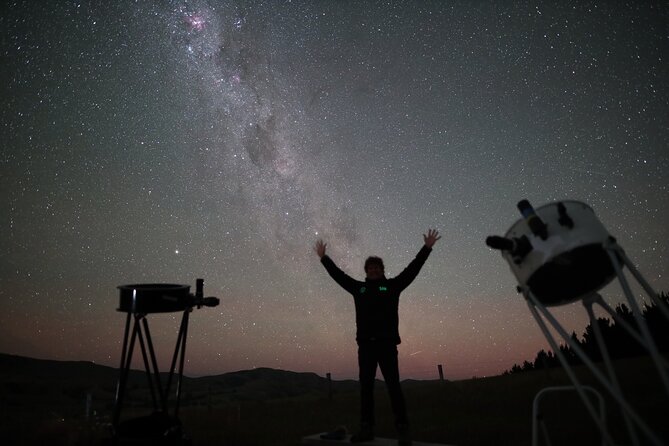
The southern sky puts on a fine show. Star Safari takes you into the Wairarapa International Dark Sky Reserve, about 80 kilometres from Wellington Airport, for a 90-minute session led by astrophysicist Sam and astrobiologist Hari. I like the small groups, limited to 10 people, and the serious equipment, including powerful 16-inch manual telescopes. I also like the sensible backup plan: if clouds shut down the stars, you explore the Universe through planetarium software and virtual reality instead.
The main drawback is simple: this is an outdoor night activity, and the weather can change the evening. You must dress warmly, almost as if you were heading out for a night hike. Even under cloud, the program can be worthwhile, but you may not get the telescope views you hoped for. At $62.06 per person, it offers good value for a personal astronomy lesson, though the price makes most sense if you enjoy asking questions and learning, not just taking a quick look through a telescope.
In This Review
- Key points to know before booking
- Why Martinborough is a strong base for stargazing
- A small group with real time at the telescopes
- From reception to the Moon Garden
- What you may see through the telescopes
- The cloudy-weather program is more than a consolation prize
- The people behind Star Safari
- Family appeal, with a few practical limits
- Is $62.06 fair value?
- Booking, weather, and what to wear
- Who will enjoy Star Safari most?
- Should you book Star Safari?
- FAQ
- Where does Star Safari meet?
- How long does the experience last?
- How many people can join the session?
- Who leads Star Safari?
- What happens if the weather is poor?
- What can I see on a clear night?
- Do I need astronomy experience?
- What should I wear?
- Can I cancel for a refund?
Key points to know before booking
- Two science guides lead the session: Astrophysicist Sam and astrobiologist Hari share the evening and answer questions throughout.
- The group is capped at 10 people: With three or four telescopes available, you should receive plenty of time at the eyepiece.
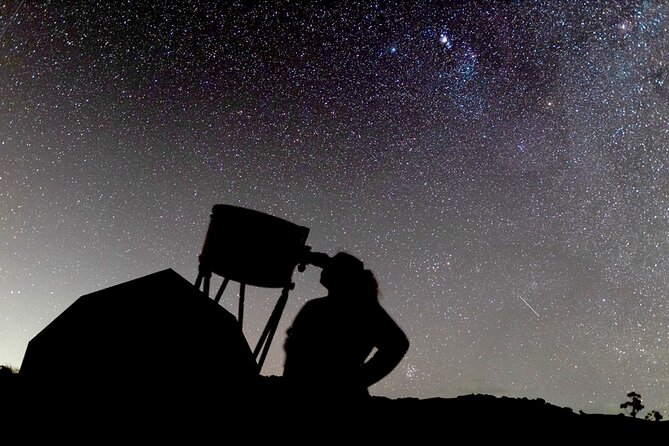
- The telescopes are manual 16-inch models: The guides can show you how to find your way around the sky rather than simply pointing at objects for you.
- Cloud does not automatically cancel the evening: A planetarium program, virtual reality, and a collection of New Zealand rocks support the cloudy-weather version.
- The Southern Sky is the star of the show: Expect a chance to see the Milky Way, planets, star clusters, nebulae, galaxies, satellites, and perhaps the International Space Station.
- Warm clothing matters: The telescope area is only 25 metres from reception, but nighttime temperatures can feel very low.
Why Martinborough is a strong base for stargazing
Star Safari meets you in the Ponatahi area of the Wellington Region, near Martinborough and the Wairarapa International Dark Sky Reserve. The reserve is known for dark, clear skies, which matter more than fancy equipment. Less artificial light means the Milky Way has a better chance of appearing as a broad band rather than a faint smudge.
That setting gives this experience a clear advantage over casual stargazing from a city hotel or suburban garden. Wellington’s urban lights can wash out many stars. Here, the darkness is part of the attraction, and it lets your eyes begin to adjust to the night.
The location also makes this a practical add-on to a Wairarapa stay. It is close enough to connect with a Martinborough visit, yet far enough from Wellington for the sky to feel properly rural. You will need to arrange your own way to the meeting point, since the supplied details do not include hotel pickup or transport from Wellington.
More Lake Tekapo stargazing:
- Lake Tekapo: Alpine Stargazing Experience with a Guide
★ 4.5 · 626 reviews - Lake Tekapo: Stargazing Experience
★ 4.9 · 607 reviews - From Christchurch: Mount Cook & Lake Tekapo Day Tour & Lunch
★ 4.6 · 405 reviews
A small group with real time at the telescopes
The session lasts about 90 minutes, though the telescope viewing portion is described as lasting 60 to 90 minutes. The maximum group size is 10, a useful limit for an activity where everyone needs time at the eyepiece.
Star Safari uses three or four telescopes during the evening, including two 16-inch manual telescopes. That combination should reduce the usual stargazing frustration: waiting in a long line while one telescope points at a single object. With several instruments in use, you can move between views and keep the evening active.
The manual setup is an important detail. Many casual astronomy sessions feel like a queue for a telescope, with the guide doing all the work. Here, Sam and Hari can explain how the sky is organized and help you learn how to orient yourself. Beginners get a clear starting point, while experienced observers can bring an observing list.
I especially like that balance. You do not need prior astronomy knowledge, but you also do not have to settle for a basic introduction if you already know the difference between a nebula and a galaxy. The guides can adapt the conversation to your questions.
From reception to the Moon Garden
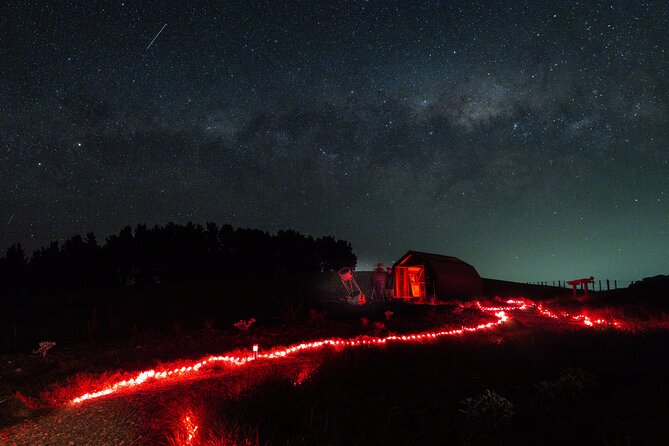
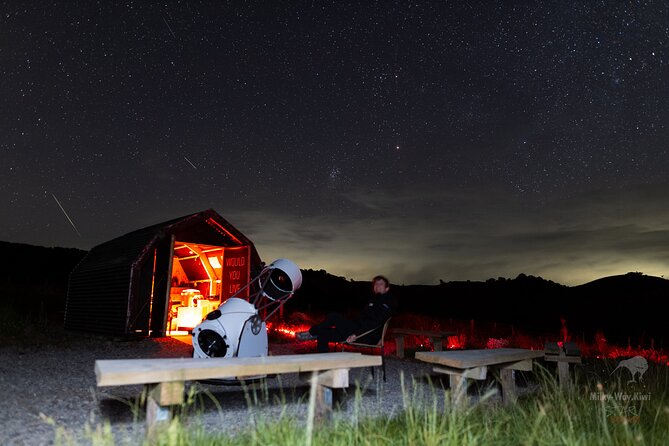
On arrival, you meet the Star Safari team before walking roughly 25 metres to the viewing area. Blankets and jackets are available through the reception area, but you should still arrive dressed for cold weather. Treat this as an outdoor activity after dark, not as a warm indoor presentation with a brief look outside.
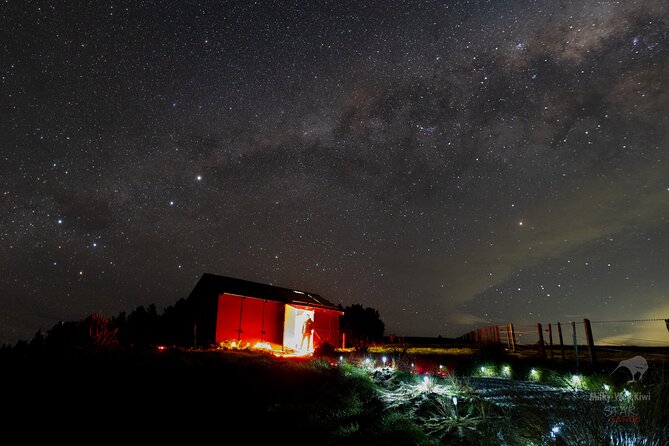
The telescope area is tucked inside the Moon Garden. That short walk keeps the process easy, but the garden setting also gives the viewing session a sense of place. You are not simply standing beside a parking area and looking upward. You are given a defined observing area where the equipment, guides, and sky all become part of the evening.
Once outside, the pace is guided by the sky. The team may point out planets, star clusters, galaxies, nebula clouds, red and blue stars, and other Southern Sky targets. You might see the Milky Way spread overhead, and you may catch satellites or the International Space Station if the timing works.
A shooting star is never guaranteed, of course, but the dark conditions give you a better chance of spotting one. Keep your eyes moving between telescope views and the wider sky. The most memorable moment may be a telescope image, or it may be a sudden streak overhead.
What you may see through the telescopes
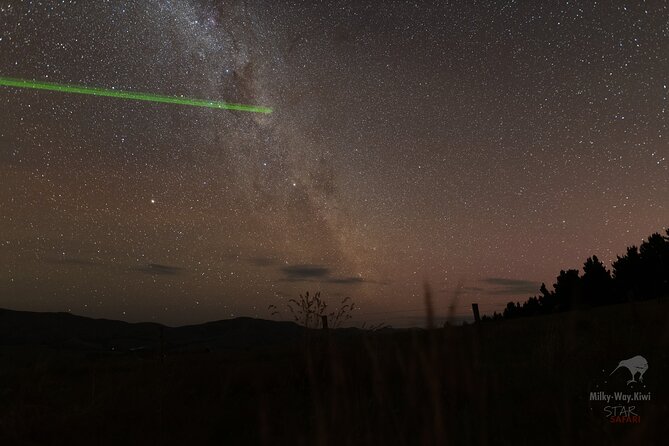
The value of the session lies in the range of objects, not just in checking off one famous planet. One especially appealing target is Saturn. A clear view can reveal its rings and moons, an image that often makes the scale of the Solar System feel real in an instant.
Star clusters can be equally striking. One clear evening included Herschel’s Little Jewel Box, a colorful cluster in the Southern Sky. Cluster views work well for first-time stargazers because they are easy to compare with the naked-eye sky, yet the telescope reveals far more detail.
You might also see nebulae, galaxies, and different colored stars. These objects vary in size, brightness, and distance, giving Sam and Hari plenty to explain. A red or blue star is not just a pretty point of light. It can open a conversation about temperature, age, and how astronomers read information from light.
The guides are both licensed to operate laser pointers, which helps them connect a telescope target to the larger sky. A laser can show you the route from a familiar constellation to a less obvious object. That is useful because the Southern Sky may be unfamiliar to visitors from the Northern Hemisphere.
You can ask questions throughout the session. This is not a silent viewing experience, and that is a strength. If you want to know how a telescope works, how to spot a satellite, or how astronomers search for life beyond Earth, you can shape the conversation around your interests.
A few more Wellington trips worth weighing up
- Seal Coast Safari – Exclusive access to Wellington’s secret coast
★ 5.0 · 294 reviews - Wellington: Half Day Seal Coast Safari
★ 4.9 · 245 reviews - Auckland Dolphin and Whale Watching Eco-Safari Cruise
★ 4.5 · 1,790 reviews - Waiatoto River Safari
★ 5.0 · 127 reviews
The cloudy-weather program is more than a consolation prize
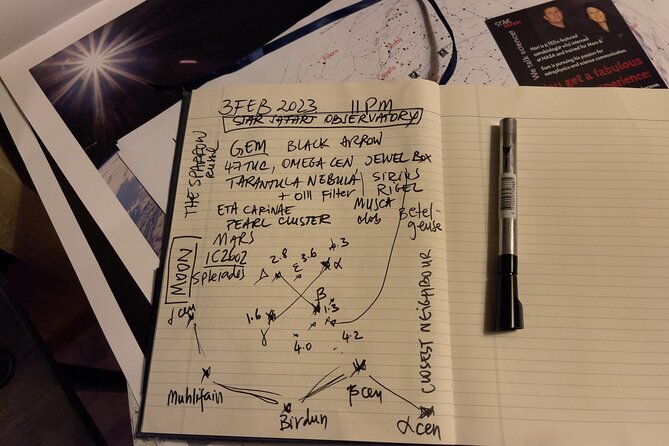
Cloud is the main risk with any stargazing booking. Star Safari deals with it directly instead of pretending the sky will always cooperate. If conditions are unsuitable, the team switches to an e-astronomy program using planetarium software and virtual reality.
That alternative includes a tour of the Universe, an exploration of the Solar System in VR, and a collection of rocks from across New Zealand. The rocks connect to astrobiology and the search for life on Mars, an area in which the Star Safari team is involved.
This gives the evening a different character. You will not receive the same experience as a clear night, and it is fair to be disappointed if you booked mainly to see Saturn or the Milky Way. Still, the cloudy program keeps the science going and means your time is not simply lost to bad weather.
One point to note is that virtual reality can cause discomfort for some people. One attendee experienced a little 3D sickness but still found the session enjoyable overall. If you are sensitive to VR, tell the guides and take the experience at your own pace.
The cloudy program has been praised for detailed explanations and friendly presentation. That matters because a weak backup activity can make a weather cancellation feel like a letdown. Here, the alternative has enough substance to serve as its own astronomy lesson.
The people behind Star Safari
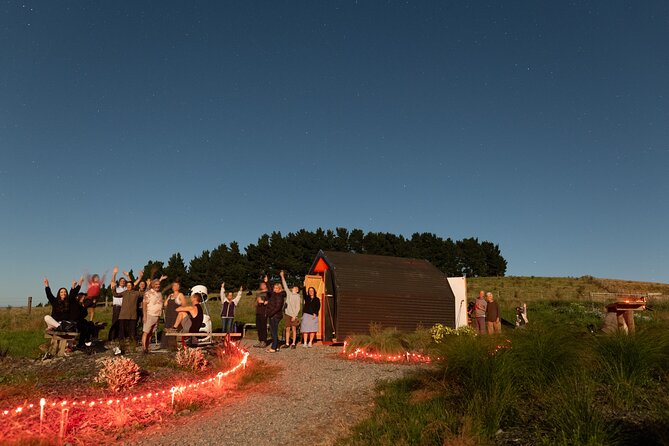
Hari and Sam created Star Safari from their shared love of the night sky. Their roles give the session a useful spread. Sam brings astrophysics into the discussion, while Hari brings astrobiology and the question of life beyond Earth.
I like the idea of two guides working together rather than one person delivering a fixed speech. It allows the evening to move between observation and explanation. One guide can manage a telescope while the other answers questions or points out a feature overhead.
Their enthusiasm also appears to be a major part of the experience. A family group with adults, a teenager, and young children found the hosts engaging, and the session worked across different ages. That is not always easy in science activities. Younger children need wonder and simple explanations, while adults often want more detail.
The team also welcomes advanced stargazers with an observing list. That small detail signals that Star Safari is not designed only for first-time visitors. If you already have objects you want to find, bring the list and ask what can be viewed from the site.
Family appeal, with a few practical limits
Families can make good use of this experience, particularly if children are curious about space. A family booking included a teenager, a six-year-old, and a two-year-old, with the parent noting that the children were free. You should confirm the current child pricing when booking, since the supplied information does not give a full age policy.
The 90-minute format is long enough to offer real content but short enough to remain manageable for many children. The mix of telescopes, laser pointing, stories about planets, and possible satellites gives the session variety.
The cold is the biggest family issue. Small children may tire faster outside, and the late timing may not suit every family. Bring proper warm layers for everyone, not just a sweater for the adults. Blankets and jackets are available at reception, but preparation will make the evening more comfortable.
Service animals are allowed, and most people can take part. If you have specific access questions, the provider asks you to contact them directly. The details do not describe the full physical setup, so it is wise to ask before booking if you have mobility or sensory concerns.
Is $62.06 fair value?
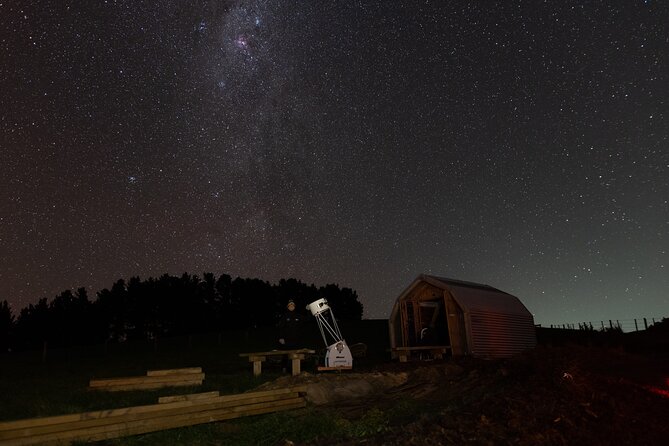
At $62.06 per person, Star Safari sits at a reasonable price for a small-group, expert-led activity lasting about an hour and a half. You are paying for more than telescope access. The fee covers the guides, several telescopes, the dark-sky location, the cloudy-weather program, and the chance to ask questions throughout.
The small group is important to the value. A 10-person maximum gives you a better chance of seeing several objects and receiving personal attention. The manual telescopes also add a learning element that you may not receive from a quick public observatory visit.
The value is strongest for people who want to understand what they are seeing. If you only want a dramatic photograph, this may not be the right choice. Night skies are difficult to capture with an ordinary phone, and cloud can limit the telescope portion.
A complimentary hot drink helps round off the evening. Hot chocolate has been a particular favorite, and it is a welcome touch after standing outside in the cold. It will not transform a cloudy night into a clear one, but it makes the experience feel more generous.
Booking, weather, and what to wear
You receive confirmation when you book, and the ticket is mobile, so there is no need to print anything unless you prefer a paper backup. The activity begins and ends at the same meeting point in Ponatahi.
Free cancellation is available if you cancel at least 24 hours before the start time. Changes or cancellations inside that 24-hour window are not accepted for a refund. If Star Safari cancels because of poor weather, you are offered another date or a full refund.
That weather policy is fair, since clear skies are central to the outdoor part of the program. Still, check the forecast and keep your schedule flexible if possible. Cloud cover can change, and the company may use its indoor astronomy program when telescope viewing is not suitable.
Wear warm layers, sturdy shoes, and clothing suitable for hiking. The advice to dress for hiking is not excessive. You will walk to the Moon Garden and spend much of the session outdoors at night, when temperatures can feel far colder than they did at sunset.
Who will enjoy Star Safari most?
I would recommend this experience to:
- First-time stargazers who want clear explanations rather than a technical lecture
- Amateur astronomers who want to use large telescopes and bring an observing list
- Families with children who are interested in planets and space
- Visitors staying in Martinborough or the wider Wairarapa area
- Anyone looking for a small-group evening activity near Wellington
- People who appreciate a strong indoor alternative when weather spoils the view
I would hesitate if your schedule cannot handle a possible weather change or if you strongly dislike cold outdoor activities. The cloudy program is worthwhile, but it cannot replace a clear view of Saturn, the Milky Way, or a bright star cluster.
Should you book Star Safari?
Yes, if you want an engaging astronomy lesson in a genuinely dark setting. The combination of Hari and Sam, several powerful manual telescopes, a 10-person limit, and a serious cloudy-weather plan gives this experience more substance than a quick look through a single telescope.
Book it as an evening of space science, not as a guaranteed list of celestial sights. On a clear night, you might see Saturn’s rings, colorful clusters, nebulae, galaxies, satellites, and the Milky Way. On a cloudy night, you still receive planetarium, VR, and astrobiology content.
Bring warm clothing, arrive ready to ask questions, and leave room in your schedule for the sky to set the pace. For the price, Star Safari is a strong choice for curious families, beginners, and experienced stargazers who want a personal look at the Southern Sky.
FAQ
Where does Star Safari meet?
The meeting point is VG48+C6 Ponatahi, in the Wellington Region of New Zealand. The activity ends back at the same meeting point.
How long does the experience last?
The experience lasts approximately 1 hour and 30 minutes. The outdoor telescope viewing portion may last between 60 and 90 minutes, depending on conditions.
How many people can join the session?
The experience has a maximum of 10 participants.
Who leads Star Safari?
The experience is led by Hari, an astrobiologist, and Sam, an astrophysicist. Both share astronomy information and answer questions during the session.
What happens if the weather is poor?
If the weather is unsuitable for stargazing, the session changes to an e-astronomy experience. This includes planetarium software, Solar System exploration in virtual reality, and a collection of New Zealand rocks connected to astrobiology and the search for life on Mars.
What can I see on a clear night?
You may see the Milky Way, planets, star clusters, nebulae, galaxies, red and blue stars, satellites, and possibly the International Space Station. Shooting stars are also possible but cannot be guaranteed.
Do I need astronomy experience?
No. Beginners are shown where to start and how to orient themselves to the stars. More experienced stargazers can bring an observing list.
What should I wear?
Dress very warmly, as if you were going hiking at night. The viewing area is outdoors, and temperatures can become very cold.
Can I cancel for a refund?
You can cancel for a full refund if you cancel at least 24 hours before the experience start time. If Star Safari cancels because of poor weather, you are offered a different date or a full refund.
Just added around Wellington
- Private Tour in Wellington★ 5.0 · 5 reviews
- Wellington: Wētā Workshop Creative Classes Experience Ticket★ 4.7 · 5 reviews
- Exclusive Wellington Sightseeing Private Tour★ 4.0 · 5 reviews
- Wellington Jewish Heritage sightseeing tour with a kosher lunch★ 5.0 · 5 reviews
- Wellington: Lord of the Rings Half-Day Guided Tour inc Weta★ 5.0 · 5 reviews
- Wellington 90 minute Harbour Cruise★ 5.0 · 6 reviews
- Wellington: Wild Skyline Guided Hiking Tour, Transfers + Lunch★ 5.0 · 6 reviews
- Wellington: Lord of the Rings Filming Locations Tour★ 4.0 · 6 reviews
Lake Tekapo Stargazing, compared.
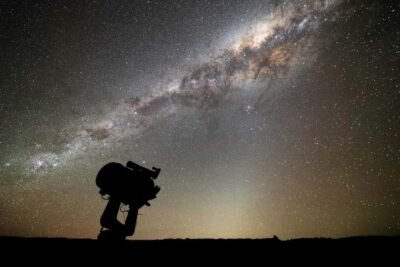
Lake Tekapo: Alpine Stargazing Experience with a Guide
Read our review →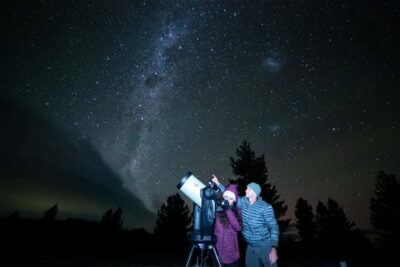
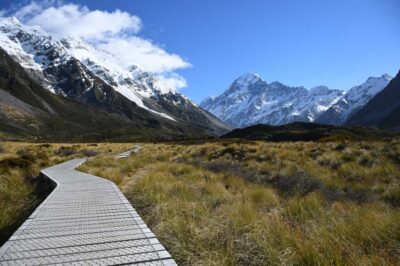
Mount Cook, Lake Tekapo and Tasman Glacier Tour from Christchurch
Read our review →
Mount Cook & Lake Tekapo Day Tour from Christchurch with Lunch
Read our review →
Lake Tekapo: Mountaintop Stargazing at Mount John Summit
Read our review →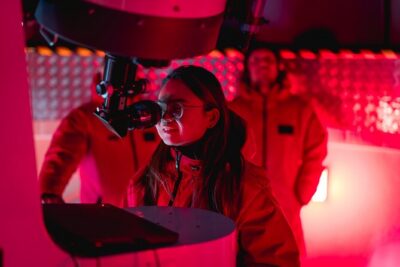
Mount John Observatory Stargazing Experience, Tekapo
Read our review →Browse the lists this tour appears in