
Reviewed · WILDLIFE & NATURE TOURS
Small Group Daytime 2-Hour Eco Wildlife Tour at Zealandia
Birdsong is the main event here. Zealandia’s two-hour guided walk pairs Wellington nature with clear stories about predator control, habitat repair, and rare species. I like the small groups, capped at 12 people, and I like that admission is included, so you can focus on watching rather than sorting out extra fees. The main drawback is that sightings are never guaranteed, and the walking route may be limited for visitors using mobility equipment.
This is not a quick photo stop beside the city. You walk through forest and wetlands, pause at viewpoints and feeding stations, and learn how New Zealand’s native wildlife is being brought back. Guides such as Manuela, Ruth, Oliver, Matt, Don, Gill, and Roy have been praised for their warm, well-informed teaching, though wet and windy weather can make the tracks less comfortable.
In This Review
- Key points about the Zealandia wildlife walk
- What makes Zealandia different from an ordinary nature walk
- Starting at the Visitor Centre
- Following the forest and wetland tracks
- The birds you have a real chance to see
- Reptiles, plants, and the tuatara search
- Why the small group matters
- Weather, footwear, and physical effort
- Getting there from central Wellington
- Is $43.44 good value?
- Who should book this experience?
- Cancellation and booking details
- FAQ
- How long is the Zealandia wildlife tour?
- Where does the tour start?
- Where does the tour finish?
- What wildlife might I see?
- Is the entry fee included?
- What should I wear?
- Is the tour suitable for people with mobility limitations?
- Should you book the Zealandia guided walk?
Key points about the Zealandia wildlife walk
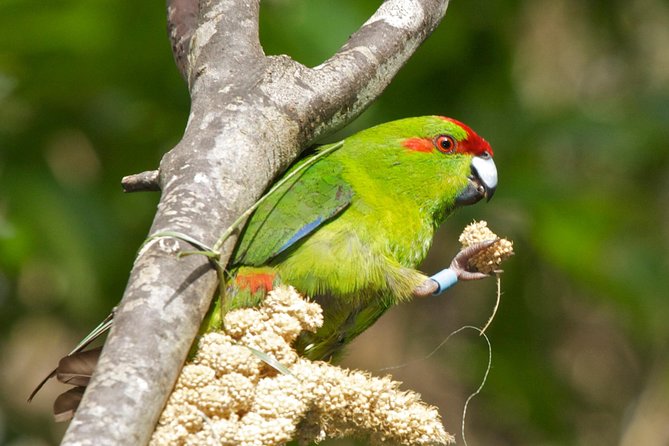
- Rare wildlife in a fenced sanctuary: Look for kākā, kākāriki, tūī, bellbirds, tīeke, hihi, takahē, tuatara, and green geckos.
- A small group of up to 12: The size allows time for questions, photographs, and quiet listening.
- A strong conservation story: The walk explains Zealandia’s long-term plan to restore native ecosystems within a fully fenced urban sanctuary.
- A two-hour route through forest and wetlands: You cover a variety of tracks, with the exact route shaped by conditions and wildlife activity.
- Expert help with bird calls: A guide can identify sounds you might otherwise miss, which is especially useful for first-time birdwatchers.
- Practical Wellington outing: The sanctuary is at 53 Waiapu Road in Karori, close to the city and reachable by public transport.
What makes Zealandia different from an ordinary nature walk
New Zealand’s native wildlife has faced enormous pressure from introduced predators. Zealandia offers a protected area where threatened birds and reptiles can live in a setting designed to resemble the country’s earlier ecosystems.
The sanctuary is the world’s first fully fenced urban eco-sanctuary. That fence is not a decorative boundary. It is central to the conservation work, helping protect native species from predators and giving forest birds a safer place to feed, nest, and move through the bush.
I find that context important because the tour is not simply about ticking off bird names. You are also seeing a working conservation project. The guide explains how the sanctuary operates, why particular species matter, and how habitat restoration connects with wider community education.
The long-term goal is unusually ambitious: a 500-year vision to restore the valley to a more natural state. You will not see that whole project completed during a two-hour visit, of course, but the guide helps you understand what today’s fences, tracks, planting, and wildlife protection are meant to achieve.
That gives the visit more weight than a standard park stroll. The money you spend supports a place with a clear purpose, and the information helps you see native plants and birds as part of one connected system.
More wildlife tours in Wellington:
- Seal Coast Safari – Exclusive access to Wellington’s secret coast
★ 5.0 · 294 reviews - Wellington: Half Day Seal Coast Safari
★ 4.9 · 245 reviews - Zealandia Small Group Eco Wildlife Night Tour
★ 5.0 · 127 reviews
Starting at the Visitor Centre
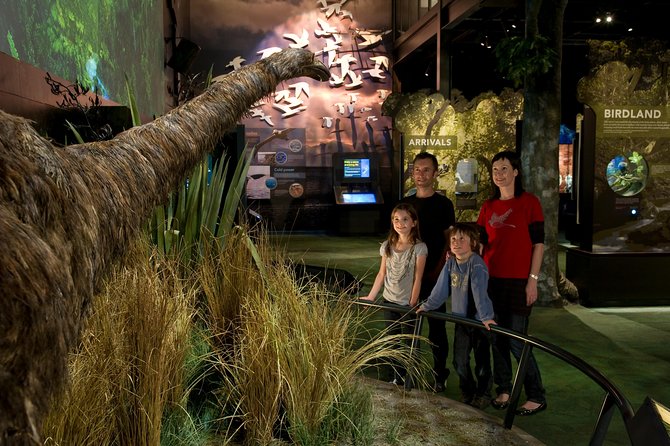
You meet your guide at the Zealandia Visitor Centre ticket desk at 53 Waiapu Road, Karori. Arrive 15 minutes before departure, and allow extra time if you are making your own way across Wellington.
The tour begins inside with an introduction to the sanctuary and a short film on the large screen. This is a useful opening rather than filler. It gives you the basic story before you head outside, so the fence, forest, wetlands, and restoration work make sense as you walk.
The Visitor Centre is also where the tour ends. Food and drinks are not part of the tour price, but the sanctuary has a café. One practical warning from the experience feedback is that supplies can occasionally run short, including coffee, so do not build a tight onward schedule around a café stop.
The mobile ticket makes entry straightforward, and the admission fee is included in the price of the guided experience. Alcoholic drinks may be available to purchase, but they are not included.
Following the forest and wetland tracks
Once outside, you follow your guide along a variety of tracks and trails. The supplied route description does not promise one fixed path, which makes sense for a wildlife sanctuary. The guide may adjust the walk according to conditions, wildlife activity, and the group’s pace.
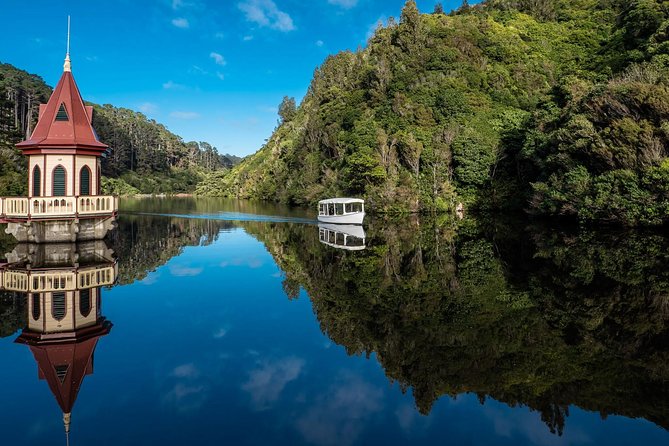
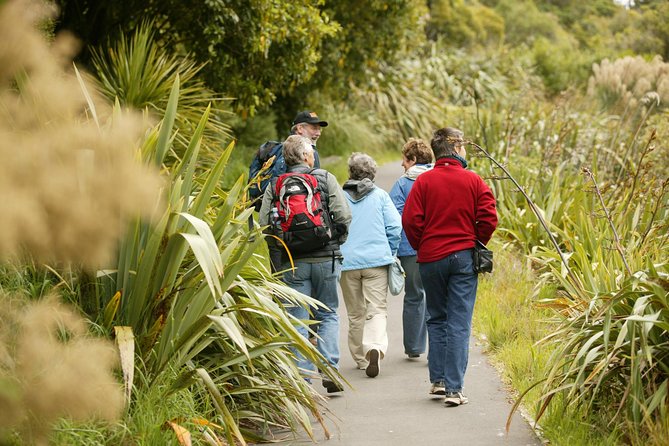
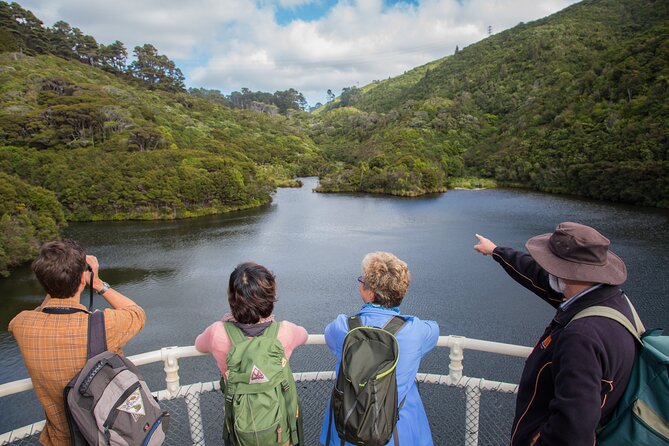
Expect a two-hour walk rather than a drive or a seated presentation. You pass through lush native bush and wet areas, with stops at viewpoints and feeding stations. The pace is designed to leave room for questions, photographs, and quiet observation.
That last part matters. Birdwatching requires patience, and the guide may ask everyone to pause and listen. One of the most appealing moments described by participants is standing quietly while the guide identifies birds by their calls. You might hear a bird before you see it, and a trained guide can turn an indistinct chirp into a useful clue.
The walk is described as suitable for people with a moderate level of fitness. Some tracks are manageable for a range of abilities, but you should not read that as a guarantee that every part of the sanctuary is accessible to every mobility device. One experience was affected when a mobility scooter meant the group had to remain on routes it could use, limiting access to other tracks.
If anyone in your party has mobility needs, contact Zealandia before booking and ask exactly which route the group tour can take. A self-guided visit may provide more flexibility, but the guided option gives you much stronger help with identifying wildlife.
The birds you have a real chance to see
Zealandia is especially rewarding for anyone who wants to understand New Zealand’s native birds rather than simply photograph a pretty forest.
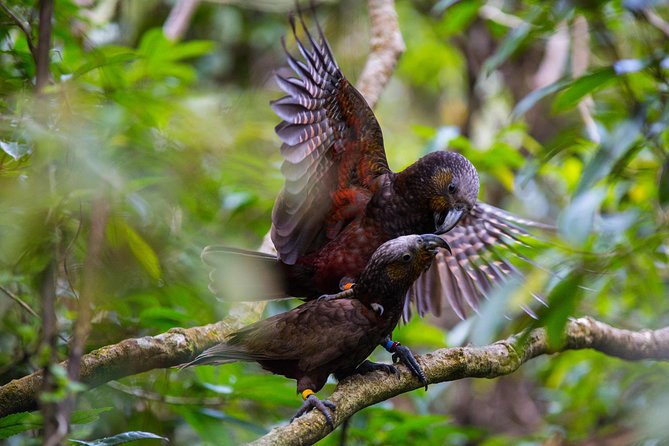
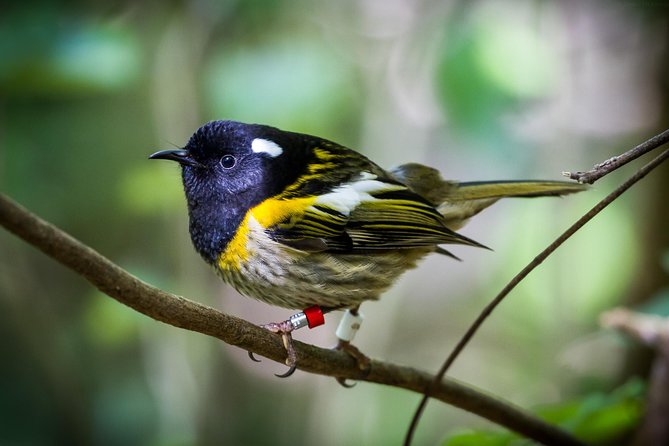
The sanctuary is home to kākā, a brown native parrot with a strong presence in the bush. You may also see kākāriki, tūī, bellbirds, tīeke, and hihi. The flightless takahē is among the most exciting possible sightings, though no responsible guide can promise it.
The guide’s role is valuable here. Without help, you might walk past a bird hidden among branches or fail to recognize a call. A guide can point out where to look, explain the species’ habits, and connect what you are seeing with the sanctuary’s conservation work.
You should keep expectations sensible. This is a protected wildlife area, not a zoo with animals placed beside every path. Some sightings may be brief. Others may be auditory rather than visual. That uncertainty is part of the appeal, but it can disappoint anyone expecting a guaranteed parade of rare birds.
The experience is particularly good for first-time birdwatchers. You do not need specialist equipment or a long list of species. Bring patience, keep your eyes moving, and listen when the group becomes quiet.
A few more Wellington trips worth weighing up
- Easy Rider Two-Hour Wellington eBike Tour
★ 5.0 · 7 reviews - Milford Sound: 2-Hour Small Boat Scenic Cruise
★ 4.8 · 2,561 reviews - 2-Hour Milford Sound Scenic Cruise
★ 5.0 · 1,520 reviews - Whitianga: 2-Hour Cathedral Cove and Volcanic Coast Cruise
★ 4.8 · 816 reviews
Reptiles, plants, and the tuatara search
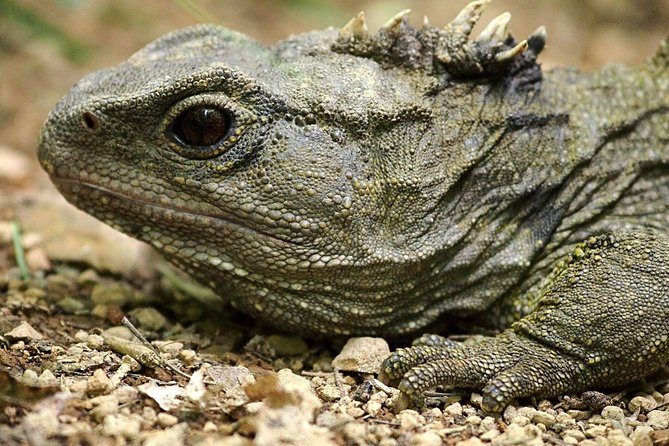
Birds receive much of the attention, but the walk also looks for unusual reptiles. You might spot a green gecko or a tuatara, one of New Zealand’s most distinctive surviving reptiles.
Tuatara sightings can be thrilling, and some participants have seen several during a visit. Still, the word might matters. Wildlife sightings change from day to day, and your guide cannot control where an animal appears.
The guide also discusses native plants and the wider forest system. That makes the walk more satisfying than a simple species checklist. You learn how trees, ground cover, birds, and reptiles fit together inside a protected area.
I would give yourself time to stop. The most memorable part may not be a rare animal in perfect light. It might be a bird call, a glimpse through the foliage, or a short explanation of how the sanctuary is helping an endangered species recover.
Photography is allowed, but photography should not take over the visit. A long lens is not required by the tour information, and the guide’s help with locating animals is likely to be more useful than rushing from one viewpoint to the next.
Why the small group matters
A maximum of 12 people is a practical strength. The guide can answer questions without turning every stop into a lecture, and you have a better chance of hearing explanations about calls, plants, and animal behavior.
Small groups also make quiet observation easier. A large crowd can scatter birds and make it hard to hear a guide. With fewer people, the group can pause, lower its voices, and move on when the guide is ready.
The individual guide makes a difference, too. Manuela has been praised for explaining plants, birds, and animals with energy. Ruth’s enthusiasm for the protected bush came through even in drizzly weather. Oliver was noted for paying attention to the group’s needs, while Don was especially appreciated for his bird knowledge and his stories about the fence and the return of native wildlife.
Those details point to a key feature of the tour: you are not getting a generic script delivered by a person who simply leads the way. The best guides make the sanctuary easier to read. Their skill helps you notice more.
There is also a minor tradeoff. A small group still moves at one shared pace. If you want to linger at every bird or take a long independent walk, the guided route may feel too structured. You can ask questions and take pictures, but you do not control every stop.
Weather, footwear, and physical effort
The tour operates in all weather conditions. Wellington can bring drizzle, fog, and wind, so dress for a real outdoor walk, not just a city attraction.
Wear shoes suitable for tracks and trails. Bring weatherproof clothing, and consider a layer you can remove if conditions improve. Photography is allowed, but protect your phone or camera if rain is forecast.
The supplied information calls for moderate physical fitness. You should be comfortable walking for about two hours through forest and wetland areas. The tour does not describe a strenuous hike, and one guide specifically received praise for taking the group along tracks suitable for different ability levels, but terrain and weather can still affect comfort.
Children must be accompanied by an adult. Service animal entry should be checked with Zealandia before booking, as the sanctuary asks visitors to enquire in advance.
Getting there from central Wellington
You make your own way to the Visitor Centre. The meeting point is in Karori, just outside Wellington’s city center, and the sanctuary is near public transport.
Allow more time than the simple address suggests. You need to arrive 15 minutes early, and a missed departure could mean missing the guided walk. One useful timing point concerns the morning tour: the free shuttle buses may not begin early enough for the earliest meeting time, so check your transport plan carefully rather than assuming the shuttle will solve the problem.
The tour finishes back at the Visitor Centre after about two hours. That makes it easy to continue exploring the sanctuary on your own if your admission arrangements allow it, or to stop at the café before returning to central Wellington. Do not assume hotel pickup or drop-off is included. It is not.
Is $43.44 good value?
At $43.44 per person, the value depends on how much help you want while exploring. The price includes admission and a professional guide, so you are paying for both access and interpretation.
For a casual walk through greenery, it may seem more than you need. Zealandia can be appreciated without turning every visit into a formal tour. But if you want to identify birds, understand the conservation project, and make good use of a limited amount of time, the guided walk earns its price.
The strongest value comes from the guide’s ability to show you what you would likely miss alone. A tūī or bellbird may be easy enough to recognize, but hihi, tīeke, kākāriki, and bird calls can be much harder for an untrained eye and ear.
The tour also avoids the cost and uncertainty of arranging a separate wildlife guide. Since the group is limited to 12, you get a more personal experience than a large coach-style outing.
I would choose it for a first visit, especially if you have only one morning or afternoon in Wellington. If you are an experienced birder, you may prefer more time on your own. If you are new to native New Zealand wildlife, the guided option gives you a far better start.
Who should book this experience?
I recommend it to visitors who enjoy nature, conservation, photography, and short active outings. It suits couples, families with older children, solo visitors, and anyone who wants a break from Wellington’s urban sights without traveling far from the city.
It is also a strong choice for people who do not know New Zealand bird calls. You can walk the tracks independently, but a guide helps you understand what you are hearing and seeing.
I would think twice if you need a fully flexible route, dislike walking in poor weather, or expect guaranteed views of rare animals. The sanctuary is a real wildlife setting, so conditions and sightings vary.
The two-hour length works well beside other Wellington plans. It is long enough to feel substantial, but short enough to fit around city sightseeing. The only thing I would avoid is placing a strict appointment immediately afterward, since transport, weather, and a slow-moving wildlife group can affect your timing.
Cancellation and booking details
You can cancel up to 24 hours before the experience start time for a full refund. Changes or cancellations made less than 24 hours before departure are not accepted for a refund, and the cut-off uses local Wellington time.
Confirmation is provided at booking. The activity is limited to 12 people, children need an accompanying adult, and the mobile ticket is accepted.
FAQ
How long is the Zealandia wildlife tour?
The guided walking tour lasts approximately two hours.
Where does the tour start?
You meet at the Zealandia Visitor Centre ticket desk, 53 Waiapu Road, Karori, Wellington 6012.
Where does the tour finish?
The tour ends back at the Zealandia Visitor Centre.
What wildlife might I see?
You might see kākā, kākāriki, tūī, bellbirds, tīeke, hihi, takahē, green geckos, and tuatara. Sightings are not guaranteed.
Is the entry fee included?
Yes. Admission to Zealandia is included in the tour price.
What should I wear?
The tour runs in all weather, so dress appropriately for rain, wind, and changing conditions. Wear footwear suitable for walking on tracks and trails.
Is the tour suitable for people with mobility limitations?
The tour requires a moderate level of physical fitness, and not every track may suit every mobility device. Contact Zealandia before booking if you need specific accessibility information.
Should you book the Zealandia guided walk?
Yes, if you want help seeing and understanding New Zealand wildlife. The best parts are the small group, the passionate guides, and the chance to hear stories about a serious 500-year conservation project while walking through the sanctuary itself.
Book it as a guided introduction rather than a guaranteed wildlife show. Arrive early, plan your transport to Karori, dress for Wellington weather, and leave room for quiet listening. If you want rare birds pointed out, native calls explained, and a stronger sense of why Zealandia matters, the $43.44 price is fair value. If you mainly want unrestricted walking time, ask about visiting independently instead.
Just added around Wellington
- Private Tour in Wellington★ 5.0 · 5 reviews
- Wellington: Wētā Workshop Creative Classes Experience Ticket★ 4.7 · 5 reviews
- Exclusive Wellington Sightseeing Private Tour★ 4.0 · 5 reviews
- Wellington Jewish Heritage sightseeing tour with a kosher lunch★ 5.0 · 5 reviews
- Wellington: Lord of the Rings Half-Day Guided Tour inc Weta★ 5.0 · 5 reviews
- Wellington 90 minute Harbour Cruise★ 5.0 · 6 reviews
- Wellington: Wild Skyline Guided Hiking Tour, Transfers + Lunch★ 5.0 · 6 reviews
- Wellington: Lord of the Rings Filming Locations Tour★ 4.0 · 6 reviews
Wildlife & Nature Tours, compared.

Auckland Dolphin and Whale Watching Eco-Safari Cruise
Read our review →
Whale and Dolphin Watching Half-Day Eco Cruise
Read our review →
Gannet Safaris Overland tour to Cape Kidnappers Gannet Colony
Read our review →

Clearwater Wildlife Tours (small group 10max) Otago Peninsula
Read our review →

Guided Evening Penguin Viewing Otago Peninsula, Dunedin, New Zealand
Read our review →
Browse the lists this tour appears in